


 English
 中文简体
中文简体 русский
 Español
 Deutsch
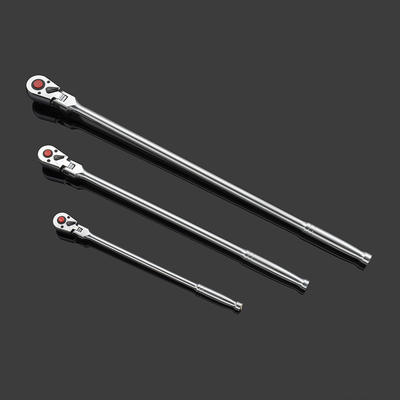
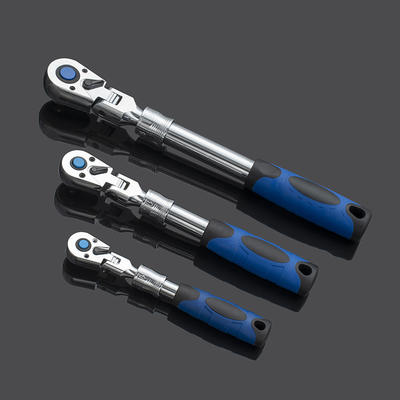
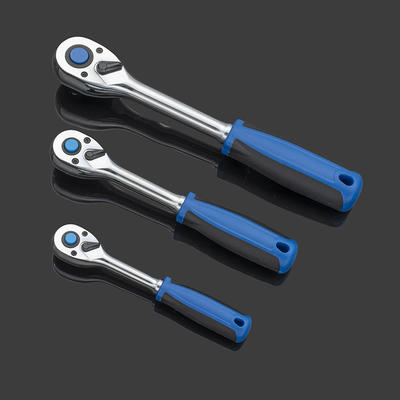
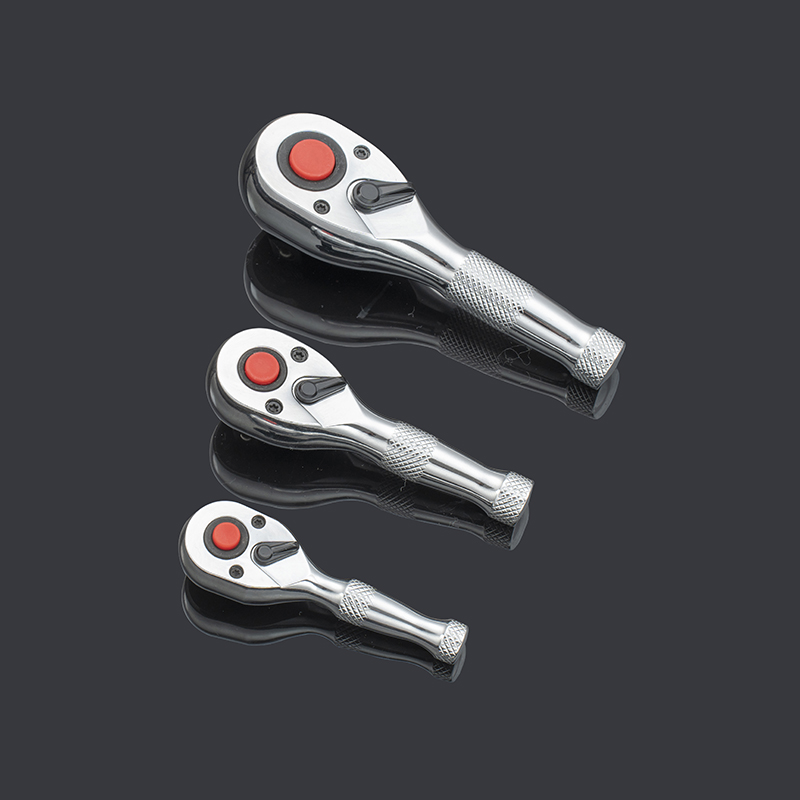
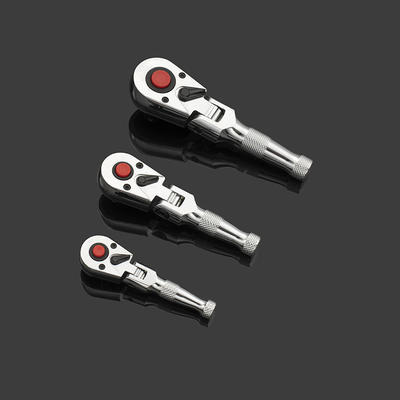
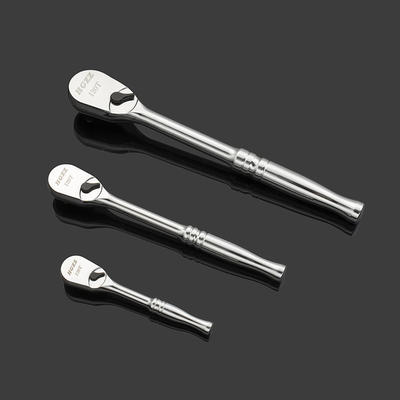
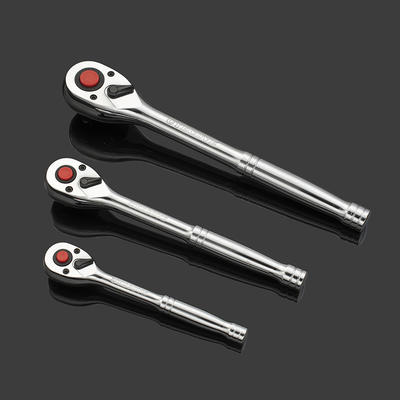
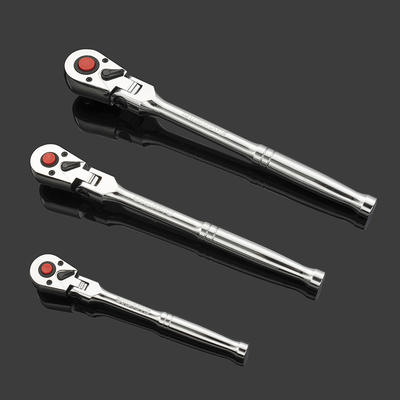
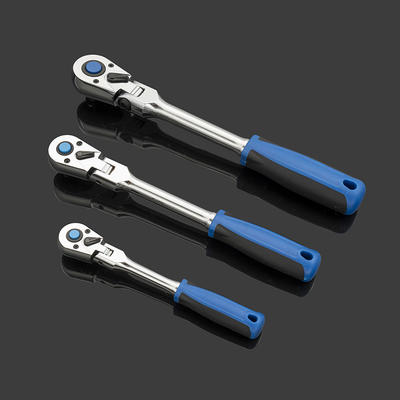
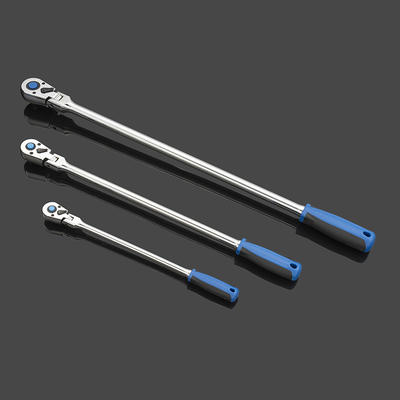
Flexible head extra long ratchet handle
Gear head material 42CrMo is a kind of steel type, belongs to ultra-high strength steel, high streng...
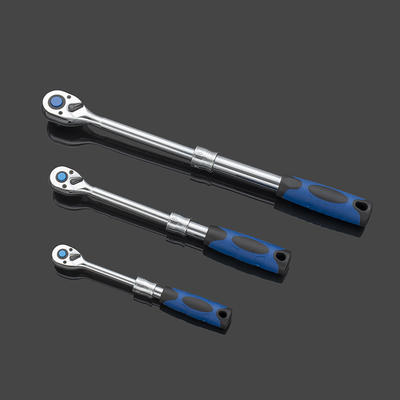
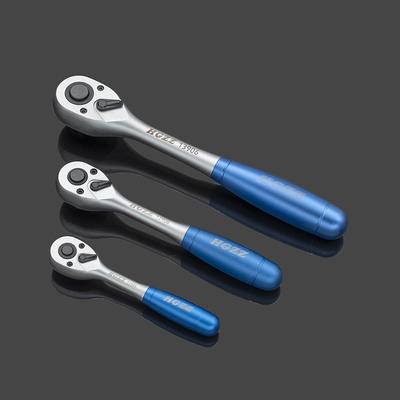
The extended ratchet wrench is an essential tool in both professional workshops and home toolkits. It offers significant advantages over standard wrenches by providing increased reach, improved torque application, and greater flexibility in confined spaces. Among extended ratchet wrench designs, the distinction between fine-tooth and coarse-tooth mechanisms is a critical consideration for buyers and users.
An extended ratchet wrench is a hand tool designed to turn fasteners with a ratcheting mechanism, allowing the user to apply torque without repositioning the wrench on the fastener repeatedly. Unlike standard ratchets, the extended version features a longer handle or shaft, which increases leverage and facilitates access to hard-to-reach areas. The mechanism consists of a gear and pawl system that permits unidirectional rotation while preventing backward movement.
Extended ratchet wrench is widely used across industries such as automotive repair, industrial maintenance, mechanical assembly, and construction. Its versatility is enhanced by variations in tooth design, which influence the speed, precision, and efficiency of operations. The choice between fine-tooth and coarse-tooth extended ratchet wrench depends on the type of work, space constraints, and required torque control.
A fine-tooth extended ratchet wrench has closely spaced teeth in its gear mechanism, which allows for minimal movement of the handle to engage the next tooth. This design offers several advantages:
Fine-tooth designs are particularly valued in professional settings where precision is critical. In automotive repair, for example, tightening bolts to a specified torque without over-rotating can prevent damage to engine components or machinery. Similarly, in industrial applications, fine-tooth extended ratchet wrench ensures accurate alignment of parts during assembly.
Coarse-tooth extended ratchet wrench features larger and more widely spaced teeth in the gear mechanism. This type of design emphasizes speed and ease of use rather than incremental precision. Key characteristics include:
Coarse-tooth extended ratchet wrench is often preferred for tasks such as loosening rusted bolts, performing structural assembly, or working on large machinery where speed and torque are prioritized over precise control.
Understanding the differences between fine-tooth and coarse-tooth extended ratchet wrench is essential for making informed purchasing decisions. The main contrasts can be summarized as follows:
| Feature | Fine-tooth extended ratchet wrench | Coarse-tooth extended ratchet wrench |
|---|---|---|
| Teeth spacing | Small, closely spaced | Large, widely spaced |
| Precision | High, incremental adjustments possible | Lower, less suitable for precise adjustments |
| Speed of operation | Slower, due to small swing per movement | Faster, each swing covers more angle |
| Torque handling | Moderate, suitable for controlled torque | High, suitable for heavy-duty applications |
| Ideal usage | Confined spaces, precision tasks | Open spaces, high-torque and rapid tasks |
| Durability | Sensitive to wear under high torque | More resistant to wear under heavy load |
This comparison highlights that no single extended ratchet wrench design is universally superior; instead, the choice depends on task requirements, workspace constraints, and desired balance between speed and precision.
When selecting between fine-tooth and coarse-tooth extended ratchet wrench, several factors should be considered:
The performance of an extended ratchet wrench is influenced not only by tooth design but also by material and build quality. High-grade steel alloys, chrome vanadium, and heat-treated metals are commonly used to manufacture durable mechanisms. Fine-tooth designs require precise machining to maintain accurate tooth engagement, while coarse-tooth mechanisms are often reinforced to withstand higher stress.
Surface treatments such as chrome plating, anti-corrosion coatings, and hardened finishes extend the life of the tool. Proper material selection ensures that both fine-tooth and coarse-tooth extended ratchet wrench maintain performance under repeated use.
To ensure longevity and consistent performance, proper maintenance of extended ratchet wrench is essential. Key considerations include:
Proper maintenance practices can enhance the durability of both fine-tooth and coarse-tooth variants, ensuring reliable performance over time.
Selecting the appropriate extended ratchet wrench involves evaluating specific application requirements, work environment, and ergonomic preferences. Key steps include:
By systematically analyzing these factors, users can make informed choices that enhance productivity, safety, and tool longevity.
Extended ratchet wrench is applied across multiple industries, each with specific requirements:
Understanding these applications helps buyers select tools optimized for their industry needs while reducing the risk of inefficiency or tool failure.
The distinction between fine-tooth and coarse-tooth extended ratchet wrench is a key factor in determining the suitability of a tool for specific tasks. Fine-tooth designs offer precision, incremental control, and suitability for confined spaces, while coarse-tooth designs provide speed, durability, and high torque capacity. Both types have unique advantages and limitations, and the optimal choice depends on task requirements, workspace constraints, torque needs, and ergonomic preferences.
An informed understanding of extended ratchet wrench mechanics, material quality, and application-specific requirements ensures that users select the right tool for their needs, enhancing efficiency, safety, and overall work quality. By considering these factors, professionals and hobbyists alike can maximize the utility of their extended ratchet wrench in a variety of operational contexts.

Committed to the production of torque wrenches, ratchet wrenches, sleeve tool sets and other auto and hand tools products.
 Add: Yiqiao Town, Xiaoshan District, Hangzhou City, Zhejiang Province, China. 311256
 Tel: +86-18072832111
 E-mail: [email protected]
Copyright ©2023 Hangzhou Hao Gong Tools Co., Ltd. All Rights Reserved
Mini Ratchet & Digital Torque Wrench Set Suppliers
