


 English
 中文简体
中文简体 русский
 Español
 Deutsch
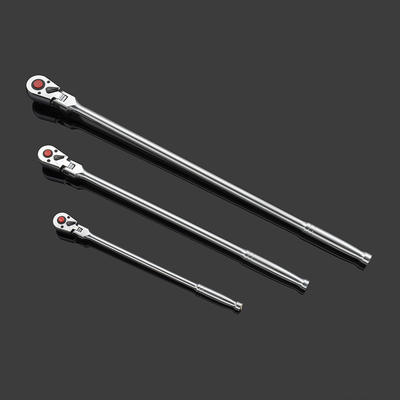
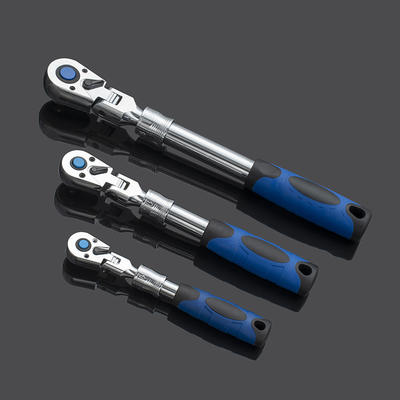
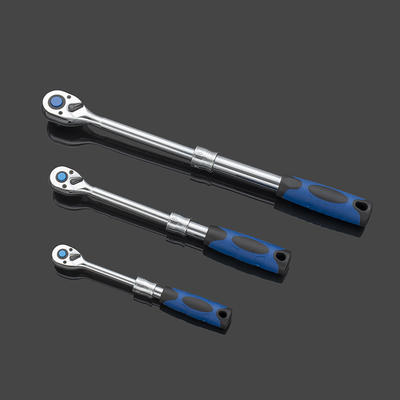
Flexible head extra long ratchet handle
Gear head material 42CrMo is a kind of steel type, belongs to ultra-high strength steel, high streng...
A mechanical torque screwdriver is a widely used tool in various industries where precise torque application is required. From electronics assembly to mechanical maintenance, its role in ensuring that fasteners are tightened to specific specifications is critical. High torque applications, however, present unique challenges for any fastening tool, including mechanical torque screwdrivers. Understanding whether a mechanical torque screwdriver can meet these demands requires an in-depth examination of its design principles, torque capabilities, operational limits, and practical considerations.
A mechanical torque screwdriver operates on a purely mechanical mechanism to regulate torque delivery. Unlike electric or pneumatic tools, the mechanical design typically involves a spring-loaded clutch system or a cam mechanism that disengages once a preset torque is reached. Consistency in torque output is a defining feature, making these tools suitable for applications where uniform fastening is essential.
The design of a mechanical torque screwdriver focuses on several critical parameters: torque range, handle ergonomics, repeatability, and calibration stability. Each factor contributes to whether the tool can safely handle high torque operations without compromising accuracy or tool longevity.
| Feature | Description |
|---|---|
| Torque Range | Usually adjustable between low and medium levels; high torque ranges require specialized designs |
| Clutch Mechanism | Spring or cam-based system to disengage at preset torque |
| Handle Ergonomics | Design for grip comfort and consistent force application |
| Repeatability | Ability to deliver consistent torque across multiple fasteners |
| Calibration Stability | Long-term retention of torque accuracy after repeated use |
The fundamental limitation of a mechanical torque screwdriver lies in its mechanical components. Unlike power-driven tools, the energy a user can apply is constrained by physical effort and the mechanical clutch capacity.
High torque applications refer to fastening tasks that demand significantly greater force than standard assembly operations. Examples include heavy machinery assembly, structural bolt tightening, automotive suspension installation, and large mechanical framework maintenance. In these contexts, the torque required can exceed the capability of conventional mechanical tools.
While mechanical torque screwdrivers excel in precision, their suitability for high torque operations is influenced by both tool design and operator capacity.
Several factors determine whether a mechanical torque screwdriver can handle high torque applications effectively:
Torque Range Capacity: Most standard models are rated for low to medium torque. High torque tasks demand tools with extended ranges. Specialized high torque mechanical screwdrivers are available, but physical limitations still exist.
User Force Limitations: Since a mechanical torque screwdriver relies on manual effort, the operator’s strength and fatigue resistance can restrict achievable torque.
Tool Ergonomics: Tools designed with optimized handle length and grip allow more efficient force application, reducing the effort required for high torque tasks.
Mechanical Clutch Durability: High torque stresses the internal clutch mechanism. Repeated high torque applications can accelerate wear, affecting accuracy over time.
Fastener and Material Considerations: The type of fastener and the material being tightened influence torque requirements and tool performance. Softer materials may strip before the torque screwdriver reaches its maximum setting.
| Factor | Impact on High Torque Application |
|---|---|
| Torque Range | Determines if the tool can reach required torque levels |
| Operator Strength | Limits achievable torque in manual applications |
| Ergonomics | Influences comfort and sustained application of force |
| Clutch Durability | Affects long-term accuracy and tool lifespan |
| Fastener Type & Material | Determines risk of thread damage or slippage |
When considering high torque applications, procurement specialists and technical users should evaluate:
Despite design improvements, mechanical torque screwdrivers have inherent constraints in high torque scenarios:
In practice, the effectiveness of a mechanical torque screwdriver in high torque applications depends on balancing tool selection, operational technique, and mechanical limitations.
While high torque environments challenge mechanical screwdrivers, they offer several advantages:
For operations where precision and reliability are paramount, a mechanical torque screwdriver remains a valuable tool when correctly specified for the task.
In these scenarios, careful tool selection and operator awareness are key to leveraging mechanical torque screwdrivers safely.
Although this article focuses on mechanical torque screwdrivers, it is important to note that other high torque tools, such as hydraulic or pneumatic torque wrenches, are often employed in extreme torque conditions. Mechanical torque screwdrivers fill a niche for precision, portability, and repeatable torque control, particularly where power tools may be impractical.
Key differentiators include:
A mechanical torque screwdriver can handle high torque applications within its specified range, provided that:
However, users must be aware of inherent limitations related to manual effort and clutch durability. High torque operations demand careful planning, correct tool selection, and adherence to operational best practices to ensure safety, accuracy, and tool longevity.
Q1: Can a mechanical torque screwdriver be used for automotive suspension bolts?
Yes, if the tool’s torque range meets the bolt specifications and proper technique is employed. High torque tasks may require extended range models.
Q2: How often should a mechanical torque screwdriver be calibrated for high torque applications?
Calibration should be performed periodically, especially after extended use or when precision is critical. Manufacturer guidelines typically recommend calibration at least annually.
Q3: What are the signs that a mechanical torque screwdriver is unsuitable for a high torque task?
Indicators include clutch slipping before reaching desired torque, excessive operator fatigue, or repeated fastener thread damage.
Q4: Can ergonomics improve the performance of a mechanical torque screwdriver in high torque tasks?
Yes, ergonomic handle design and proper posture reduce operator fatigue and allow consistent torque application.
Q5: Are there mechanical torque screwdrivers designed specifically for high torque applications?
Yes, specialized models feature reinforced clutches, extended torque ranges, and longer handles for improved leverage.
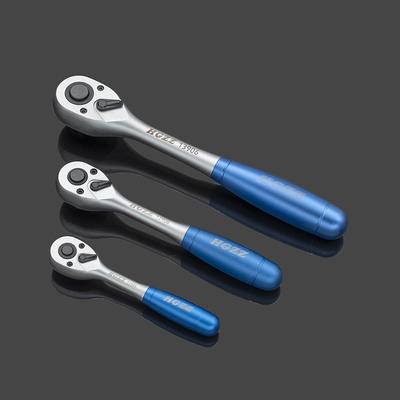
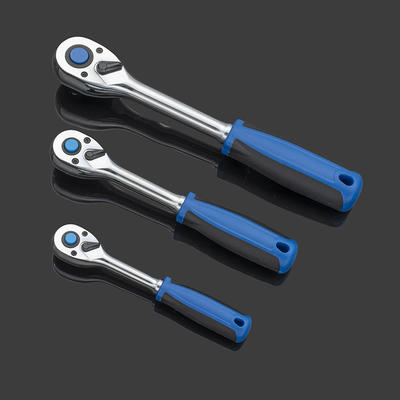
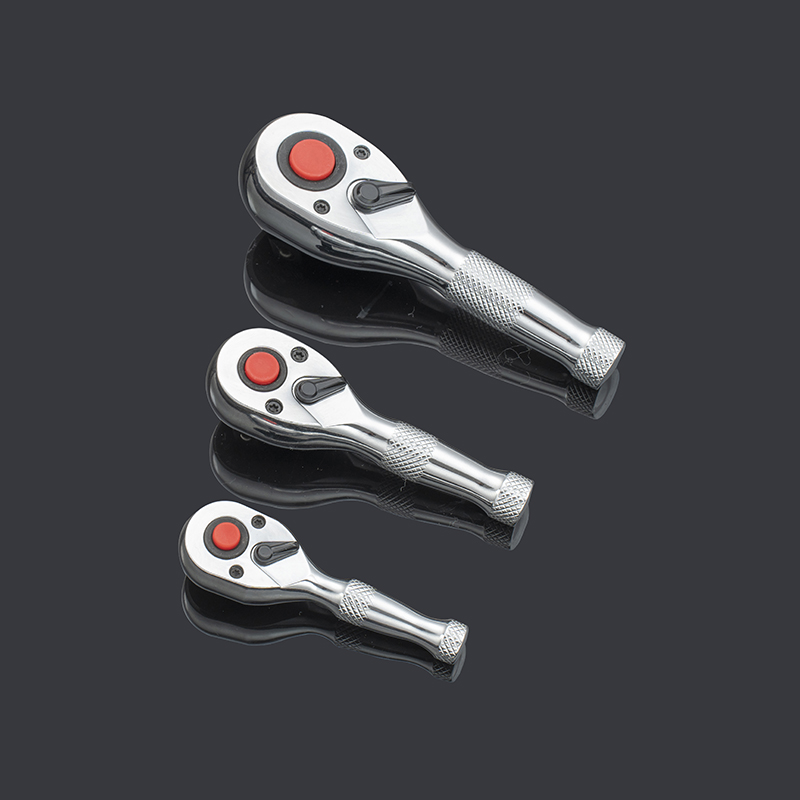
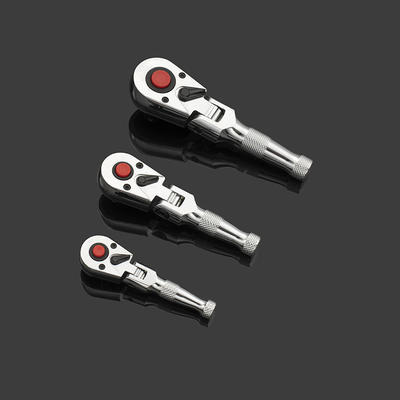
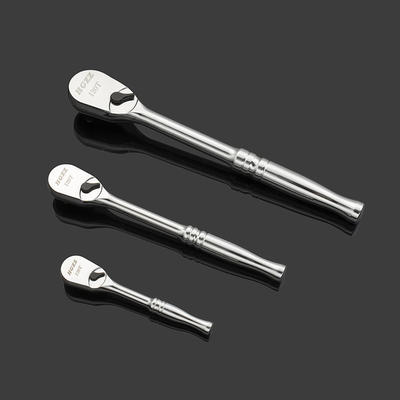
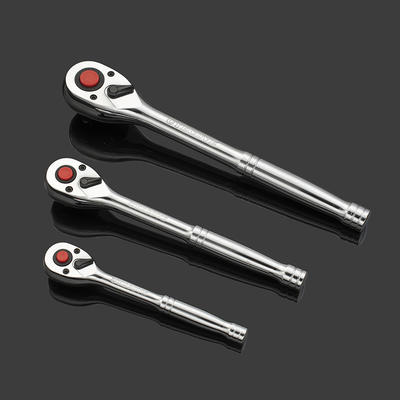
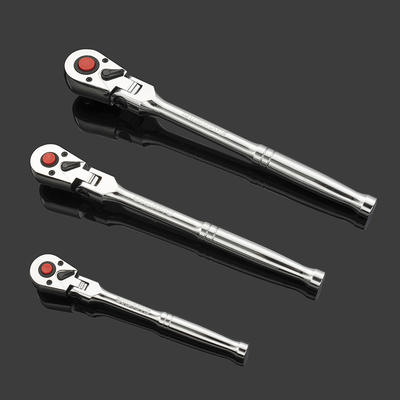
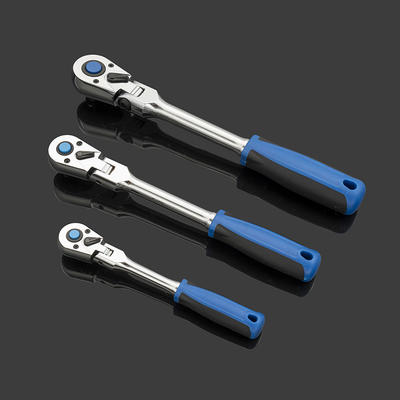
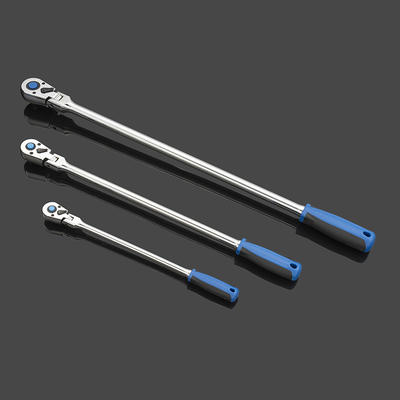

Committed to the production of torque wrenches, ratchet wrenches, sleeve tool sets and other auto and hand tools products.
 Add: Yiqiao Town, Xiaoshan District, Hangzhou City, Zhejiang Province, China. 311256
 Tel: +86-18072832111
 E-mail: [email protected]
Copyright ©2023 Hangzhou Hao Gong Tools Co., Ltd. All Rights Reserved
Mini Ratchet & Digital Torque Wrench Set Suppliers
