


 English
 中文简体
中文简体 русский
 Español
 Deutsch
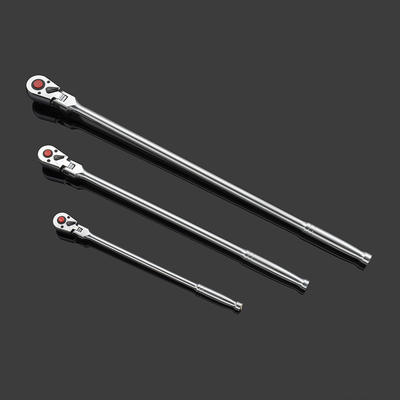
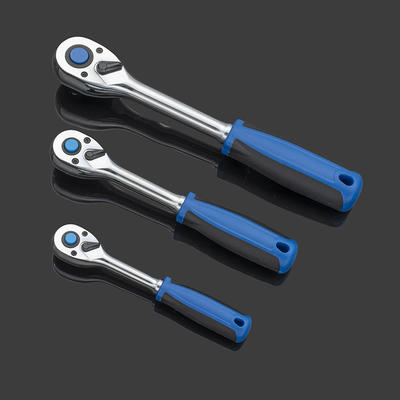
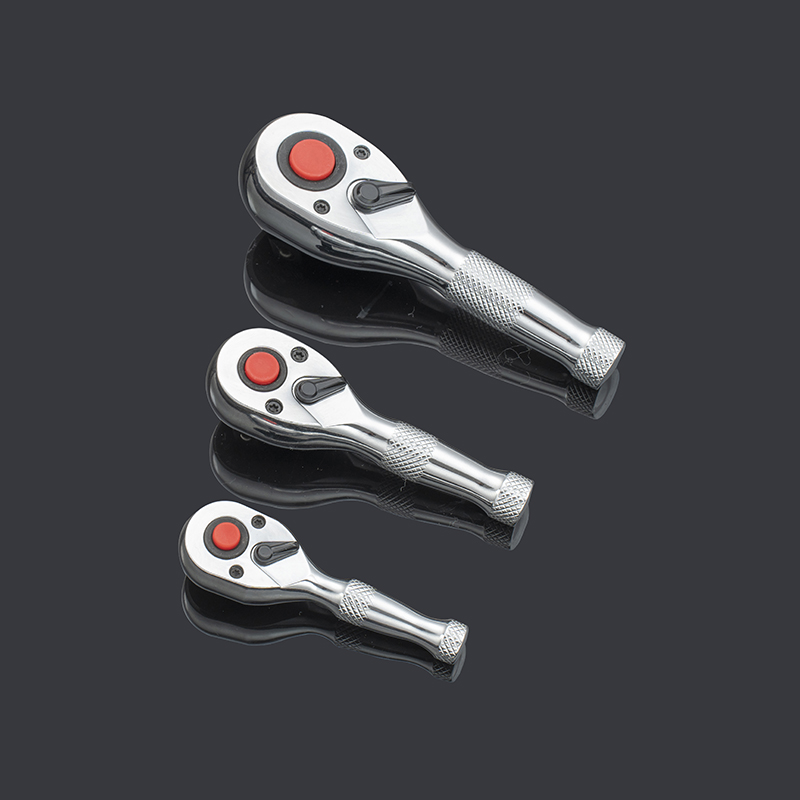
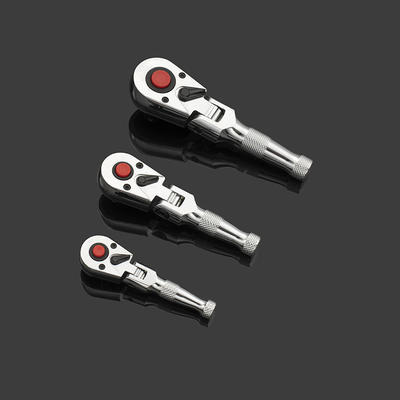
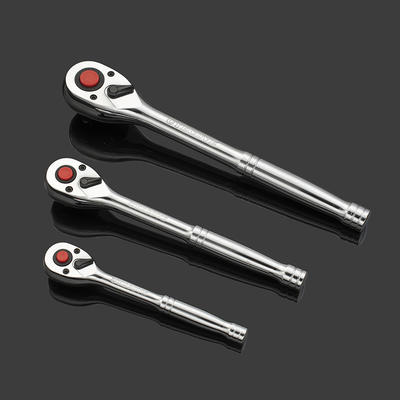
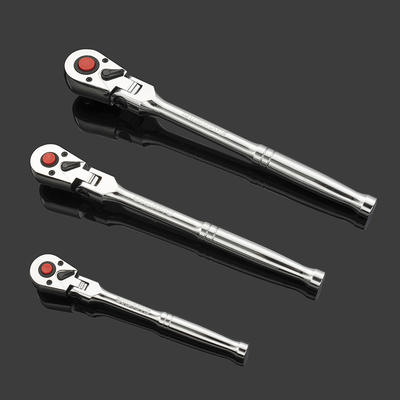
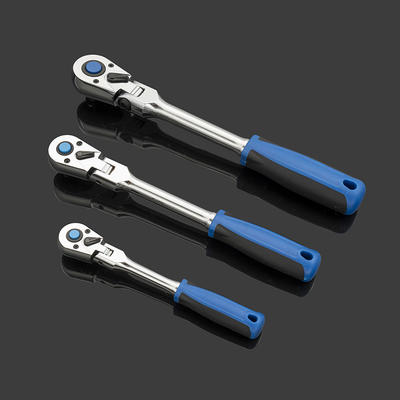
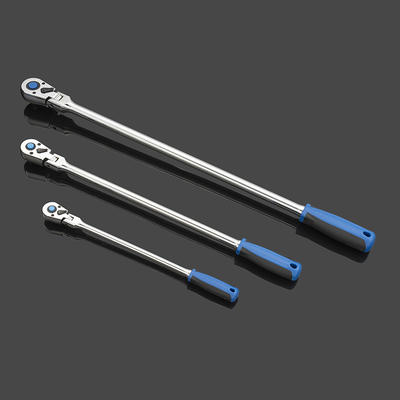
Flexible head extra long ratchet handle
Gear head material 42CrMo is a kind of steel type, belongs to ultra-high strength steel, high streng...
Heavy-equipment maintenance is a critical aspect of industrial operations, where time, precision, and safety are paramount. Among the tools utilized, the extended ratchet wrench has emerged as a component that can significantly influence maintenance efficiency.
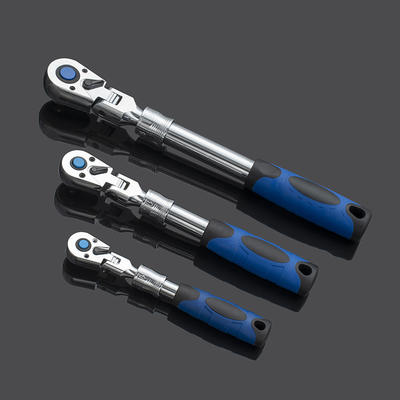
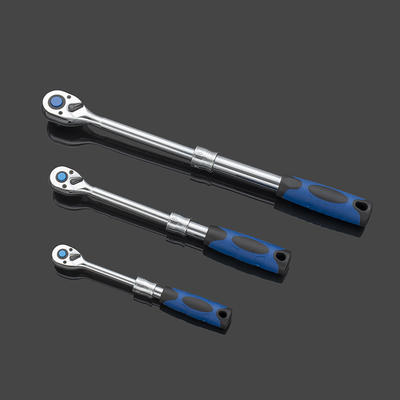
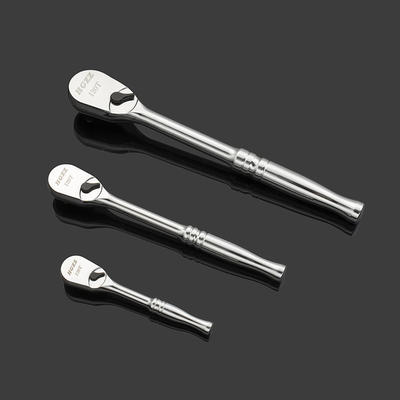
Extended ratchet wrenches are hand tools designed with longer handles and specialized heads to reach fasteners in confined or obstructed spaces. Their design supports increased leverage, torque control, and accessibility, which are essential factors in heavy-equipment repair.
Key Functional Attributes:
Extended ratchet wrenches influence maintenance efficiency through multiple operational dimensions:
2.1 Reduced Task Time
The ability to reach fasteners without disassembling surrounding components minimizes unnecessary steps in maintenance procedures. Extended ratchet wrenches enable:
2.2 Improved Torque Accuracy
Consistent torque is vital for maintaining equipment integrity. Extended ratchet wrenches contribute by:
2.3 Enhanced Ergonomics and Operator Safety
Long-duration maintenance tasks can lead to operator fatigue and repetitive strain. Extended ratchet wrenches improve ergonomic conditions by:
2.4 Workflow Integration
When integrated into structured maintenance protocols, these tools can be paired with other hand tools or mechanized systems for hybrid workflows:
A systematic comparison between standard and extended ratchet wrenches highlights efficiency gains.
| Feature | Standard Ratchet Wrench | Extended Ratchet Wrench | Efficiency Impact |
|---|---|---|---|
| Handle Length | Short, limited leverage | Long, higher torque with less effort | Reduced fatigue and faster bolt engagement |
| Accessibility | Limited to open spaces | Can reach recessed or obstructed fasteners | Minimizes disassembly of surrounding components |
| Swing Arc | Larger swing required | Smaller swing due to fine-tooth mechanism | Improves precision in tight spaces |
| Ergonomics | Potential wrist strain | Optimized handle design | Enhances operator comfort and safety |
| Task Time | Longer, multiple adjustments | Shorter, direct engagement | Accelerates maintenance workflow |
To fully realize efficiency improvements, extended ratchet wrenches must be viewed as part of the broader maintenance ecosystem. System-level considerations include:
4.1 Tool Standardization and Inventory Management
Maintaining a set of extended ratchet wrenches that cover a spectrum of handle lengths and head types ensures that technicians can consistently access hard-to-reach fasteners without improvisation.
4.2 Procedure Optimization
Incorporating these wrenches into step-by-step maintenance guides allows planners to:
4.3 Training and Skill Development
Proper utilization requires training on:
Several technical aspects influence the performance of extended ratchet wrenches in heavy-equipment repair:
5.1 Torque and Load Capacity
Extended ratchet wrenches must withstand high torque levels without deformation. System-level evaluation should consider:
5.2 Material Selection
Durability and weight management are critical. Common considerations include:
5.3 Accessibility and Alignment
The spatial design of heavy equipment often imposes constraints. Extended ratchet wrenches assist by:
5.4 Maintenance Environment Adaptation
Operating conditions such as confined engine bays or high vibration zones require robust tool design:
Efficiency improvements can be quantified using several metrics:
| Metric | Baseline (Standard Wrench) | Extended Ratchet Wrench | Improvement |
|---|---|---|---|
| Task Time per Fastener | 45 seconds | 30 seconds | 33% faster |
| Torque Deviation | ±10% | ±4% | 60% more precise |
| Operator Fatigue Index | High | Moderate | Reduced strain |
| Tool Utilization | 70% | 85% | Better task allocation |
To maximize operational benefits, extended ratchet wrenches can be integrated with complementary strategies:
Extended ratchet wrenches, when evaluated from a system engineering perspective, contribute significantly to maintenance efficiency in heavy-equipment repair. Their benefits encompass reduced task time, improved torque accuracy, enhanced ergonomics, and integration into structured workflows. By considering technical factors such as torque capacity, material selection, accessibility, and environment adaptation, organizations can systematically improve operational reliability and workforce productivity.
Q1: Can extended ratchet wrenches handle all heavy-equipment fasteners?
A1: While versatile, the wrench’s torque rating and handle length must match the fastener requirements to avoid tool damage or improper torque application.
Q2: How should the wrenches be maintained?
A2: Regular inspection of the ratcheting mechanism, cleaning of surfaces, and lubrication are necessary to ensure long-term performance.
Q3: Do extended ratchets replace powered tools?
A3: They complement powered tools in tasks requiring access to confined spaces where powered wrenches may not fit.
Q4: What ergonomic guidelines are recommended?
A4: Maintain neutral wrist positions, utilize handles appropriate to task torque, and rotate operators for extended maintenance sessions to reduce fatigue.
Q5: How is tool selection optimized?
A5: Evaluate fastener location, torque requirement, accessibility, and workflow integration to select appropriate handle lengths and head configurations.

Committed to the production of torque wrenches, ratchet wrenches, sleeve tool sets and other auto and hand tools products.
 Add: Yiqiao Town, Xiaoshan District, Hangzhou City, Zhejiang Province, China. 311256
 Tel: +86-18072832111
 E-mail: [email protected]
Copyright ©2023 Hangzhou Hao Gong Tools Co., Ltd. All Rights Reserved
Mini Ratchet & Digital Torque Wrench Set Suppliers
