


 English
 中文简体
中文简体 русский
 Español
 Deutsch
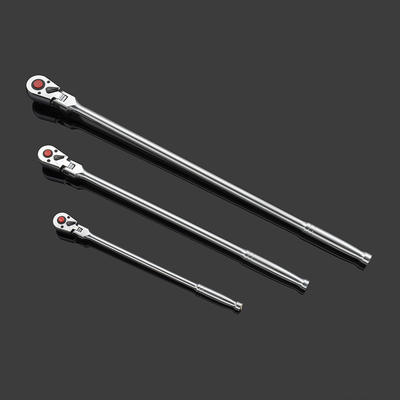
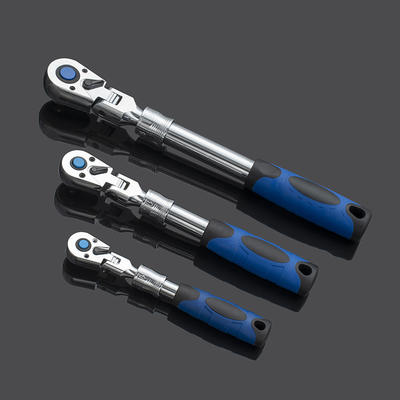
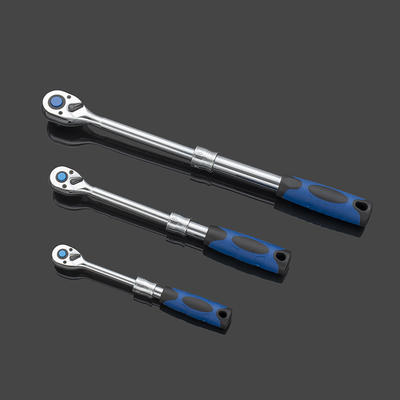
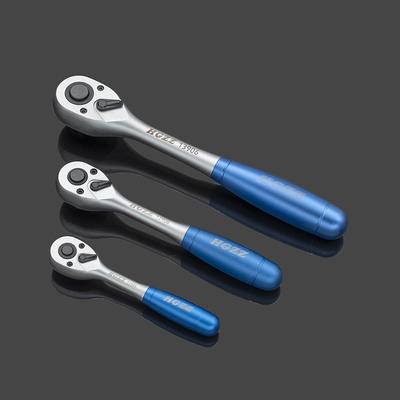
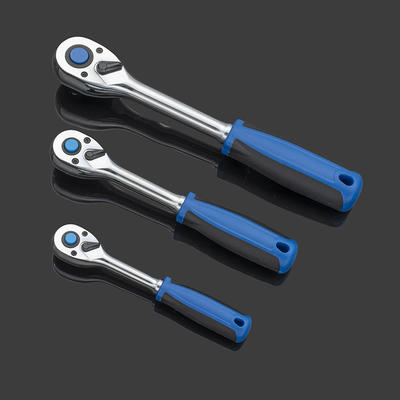
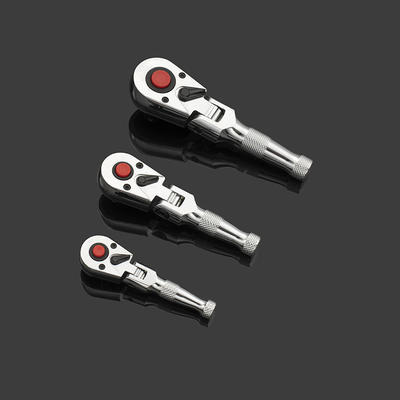
Flexible head extra long ratchet handle
Gear head material 42CrMo is a kind of steel type, belongs to ultra-high strength steel, high streng...
The interchangeable head torque wrench is an essential precision tool widely used in industrial assembly, automotive maintenance, and mechanical engineering applications. Its primary function is to apply a precise torque to fasteners, ensuring reliable joint integrity and consistent performance. Calibration plays a pivotal role in maintaining the accuracy of the interchangeable head torque wrench, which directly impacts operational quality and safety.
Calibration is the process of verifying and adjusting the torque output of a wrench to meet defined standards. Without proper calibration, deviations in torque application may occur, leading to over-tightening, under-tightening, or potential component failure.
Calibration ensures that the interchangeable head torque wrench delivers torque within specified tolerances. Precision in torque application is critical for several reasons:
Industries such as aerospace, automotive, energy, and heavy machinery rely heavily on interchangeable head torque wrench calibration to ensure product reliability and maintain safety standards.
Several calibration methods are commonly used for interchangeable head torque wrench, ranging from mechanical checks to advanced electronic validation. These methods can be broadly categorized into manual methods, mechanical calibration devices, and electronic calibration systems. Each method varies in accuracy, ease of use, and applicability.
Manual calibration relies on the user’s observation and adjustment skills. It typically uses reference weights or torque devices to evaluate the wrench’s performance.
Advantages:
Limitations:
Manual calibration is most suitable for low-frequency checks or applications where extreme precision is not critical.
Mechanical calibration devices include torque testers, spring-based calibration machines, and load cells that provide measurable resistance. These devices are commonly used in workshops or production lines to maintain consistency.
Advantages:
Limitations:
The mechanical calibration method is particularly useful for regular maintenance and verification of industrial torque wrenches, ensuring consistent torque output across multiple units.
Electronic calibration systems use digital torque analyzers, strain gauges, or sensor-based devices to measure torque precisely. These systems are often connected to software that logs and analyzes calibration data.
Advantages:
Limitations:
Electronic calibration is ideal for critical applications, such as aerospace, automotive, and precision engineering, where strict compliance and documentation are required.
Although procedures may vary depending on the calibration method, the general steps for calibrating an interchangeable head torque wrench are as follows:
This systematic procedure ensures the interchangeable head torque wrench maintains reliable performance and extends its operational lifespan.
Calibration of interchangeable head torque wrench is governed by international and regional standards. Commonly referenced standards include ISO, ASTM, and ANSI specifications for torque measurement accuracy. Typical tolerance levels vary depending on torque range:
Table 1: Typical Tolerances for Torque Wrenches
| Torque Range (Nm) | Tolerance (+/-) | Common Applications |
|---|---|---|
| 0–50 | 4% | Automotive repair, small machinery |
| 50–200 | 3% | Industrial assembly, mechanical tools |
| 200–1000 | 2% | Heavy machinery, construction equipment |
| >1000 | 1–2% | Aerospace, critical engineering assemblies |
Maintaining calibration within these tolerances is essential for safety, quality, and regulatory compliance.
Several factors can influence the effectiveness of calibration for an interchangeable head torque wrench:
Proper consideration of these factors ensures reliable torque measurements and prevents calibration drift over time.
Modern industries often adopt advanced calibration techniques for enhanced precision:
These techniques are particularly beneficial in high-precision sectors such as aerospace, medical equipment manufacturing, and automotive engine assembly.
Organizations often implement calibration policies to ensure consistency and reliability of interchangeable head torque wrench usage:
Table 2: Recommended Calibration Frequency for Interchangeable Head Torque Wrench
| Usage Level | Recommended Interval | Remarks |
|---|---|---|
| Light use (home/DIY) | 12 months | Optional for casual use |
| Moderate use (workshop) | 6–12 months | Ensures consistent performance |
| Heavy use (industrial) | 3–6 months | Prevents deviation under frequent operation |
| Critical applications (aerospace/automotive assembly) | 3 months or per usage cycles | Strict quality control required |
These practices ensure that interchangeable head torque wrench maintains operational reliability and meets industry expectations.
Maintaining the accuracy of an interchangeable head torque wrench involves several key practices:
Adhering to these practices prolongs the service life of the wrench and ensures consistent torque application.
Calibration is a critical process for ensuring the performance and reliability of interchangeable head torque wrench. Proper calibration safeguards operational safety, guarantees product quality, and maintains compliance with industry standards. Whether through manual, mechanical, or electronic methods, understanding and implementing effective calibration procedures is essential for industrial, automotive, and mechanical applications. By adhering to best practices and scheduling regular verification, users can optimize wrench performance and extend service life while ensuring consistent, accurate torque application.
Q1: How often should an interchangeable head torque wrench be calibrated?
Calibration frequency depends on usage intensity, environmental conditions, and industry requirements. Typical intervals range from 3 to 12 months, with more frequent checks for critical applications.
Q2: Can I calibrate an interchangeable head torque wrench myself?
Basic verification can be performed manually, but precise calibration is best conducted with certified equipment or by professional calibration services.
Q3: Does changing the head affect calibration?
Yes. Each head must be verified to ensure torque consistency. Head replacement may require recalibration to maintain accuracy.
Q4: What is the difference between mechanical and electronic calibration?
Mechanical calibration uses physical torque devices and springs, offering moderate precision. Electronic calibration uses sensors and digital systems, providing higher accuracy and traceable documentation.
Q5: Are calibration certificates necessary?
For industrial or regulated applications, maintaining calibration certificates is critical to demonstrate compliance and traceability.
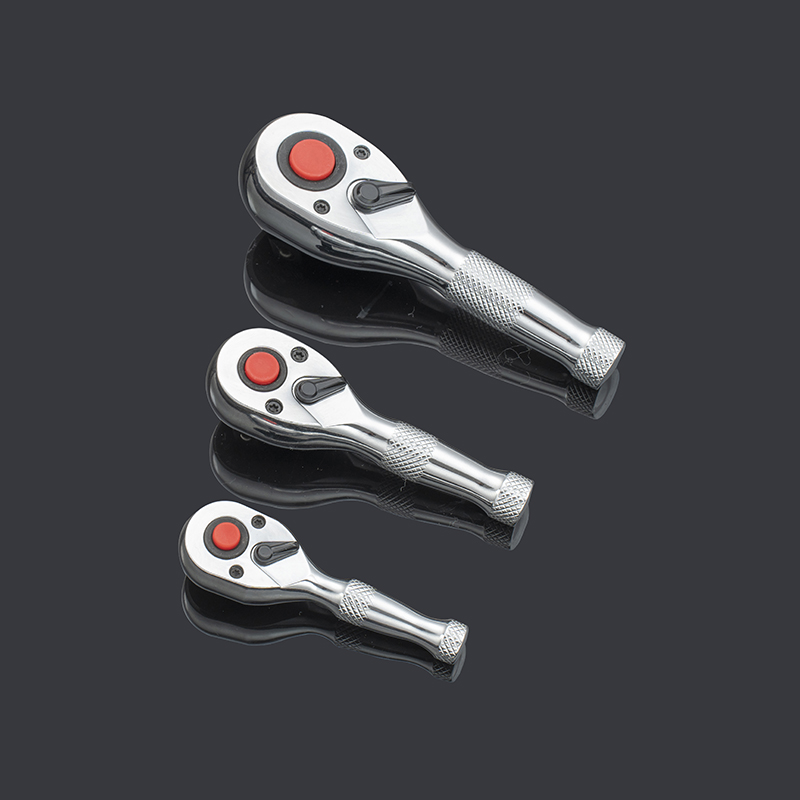
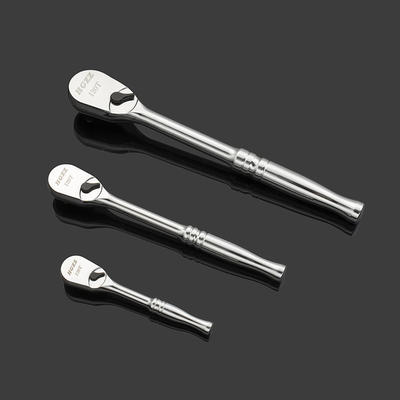
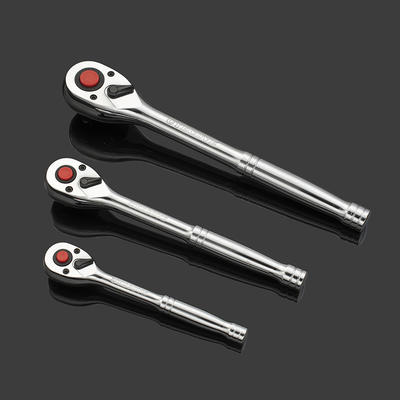
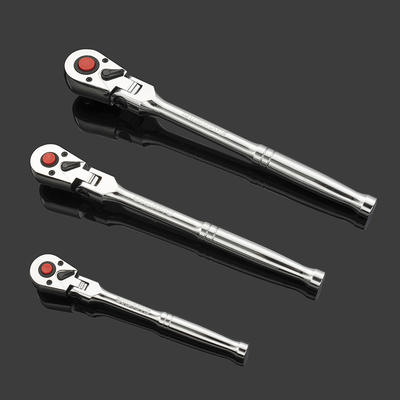
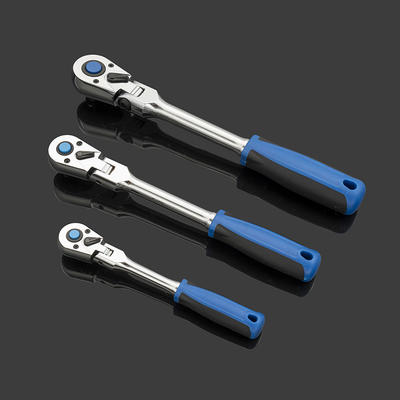
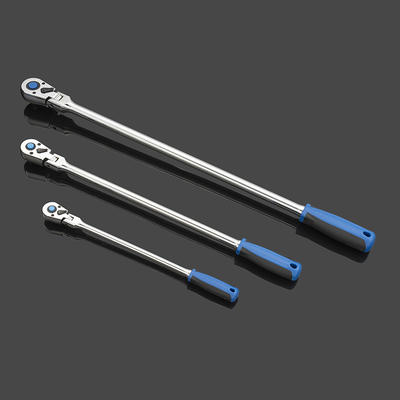

Committed to the production of torque wrenches, ratchet wrenches, sleeve tool sets and other auto and hand tools products.
 Add: Yiqiao Town, Xiaoshan District, Hangzhou City, Zhejiang Province, China. 311256
 Tel: +86-18072832111
 E-mail: [email protected]
Copyright ©2023 Hangzhou Hao Gong Tools Co., Ltd. All Rights Reserved
Mini Ratchet & Digital Torque Wrench Set Suppliers
