


 English
 中文简体
中文简体 русский
 Español
 Deutsch
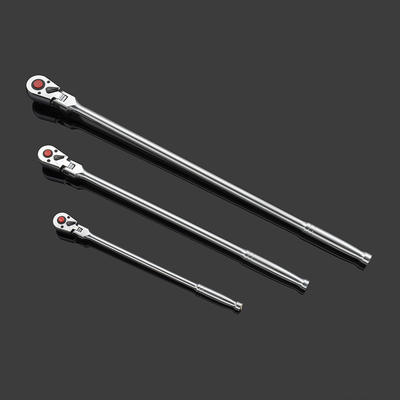
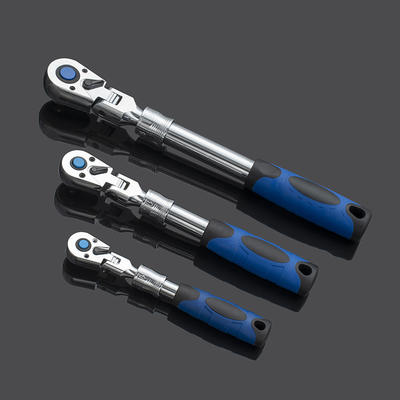
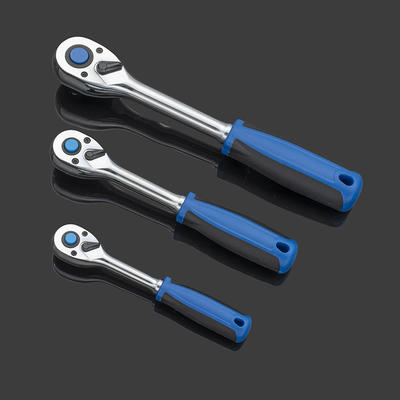
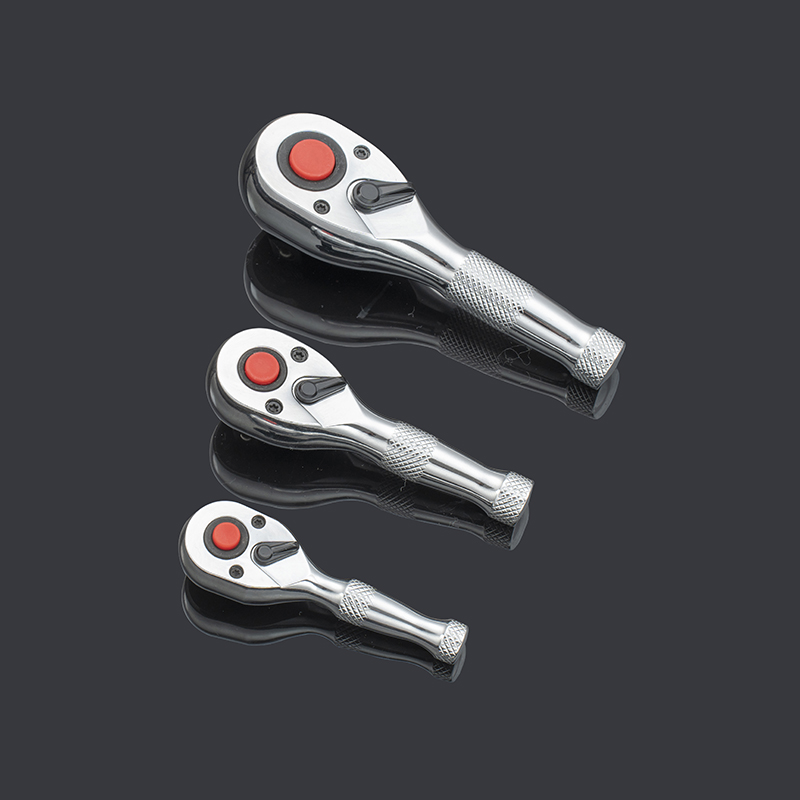
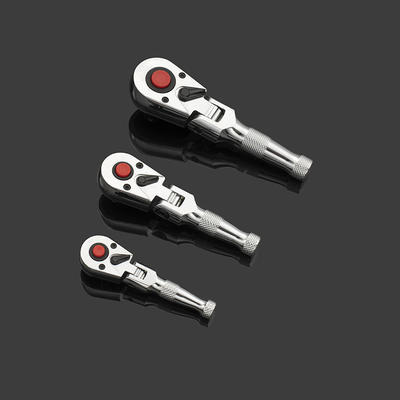
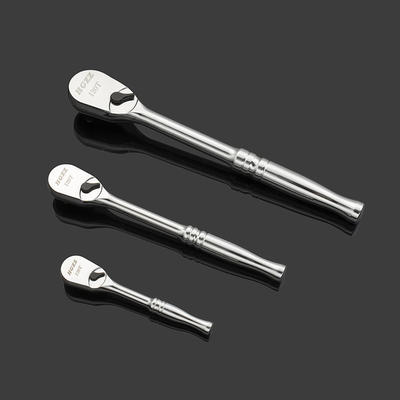
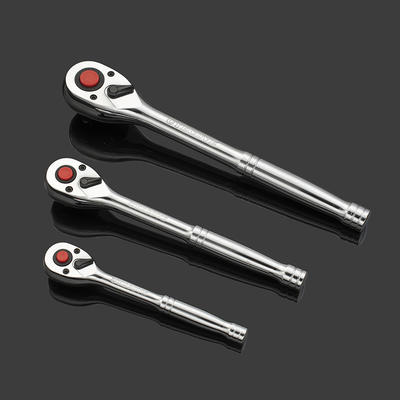
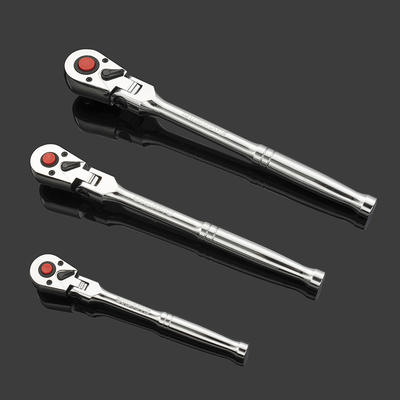
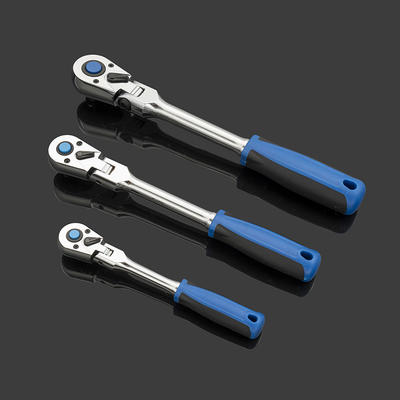
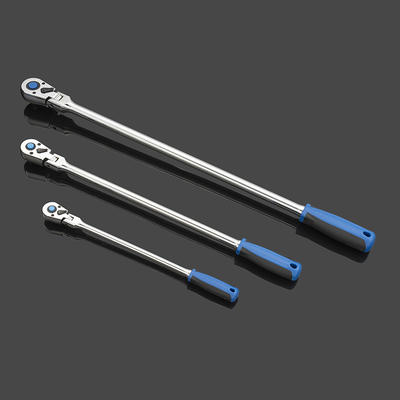
Flexible head extra long ratchet handle
Gear head material 42CrMo is a kind of steel type, belongs to ultra-high strength steel, high streng...
Selecting the appropriate dustproof ratchet wrench for professional or industrial applications involves a comprehensive understanding of the functional differences, operational advantages, and maintenance considerations between manual and mechanical variants.
A dustproof ratchet wrench is designed to deliver precise torque while resisting environmental contaminants such as dust and debris. The dustproof feature is particularly relevant in automotive repair, construction, heavy machinery maintenance, and industrial assembly, where particulate exposure can compromise tool reliability. The fundamental distinction lies in the mechanism: manual models rely on direct human force, whereas mechanical models incorporate internal mechanisms or motors to enhance torque delivery and operational efficiency.
Key functional elements of a dustproof ratchet wrench typically include the ratcheting gear assembly, handle ergonomics, and dust-resistant sealing. For manual models, torque application is directly linked to the operator’s strength, while mechanical models often provide adjustable torque settings, enabling consistent and repeatable operations even in high-demand environments.
Understanding these differences is essential for determining which variant aligns with specific workflow requirements, safety standards, and ergonomic considerations.
Manual dustproof ratchet wrenches are the traditional option favored in applications requiring fine control and precision. These tools are generally simpler in construction, making them more accessible for routine maintenance tasks. The operator engages the handle directly to rotate the ratchet mechanism, allowing for controlled tightening or loosening of fasteners.
Advantages of manual models include:
Common industrial applications include automotive repair workshops, equipment assembly lines, and on-site maintenance scenarios. Manual tools excel in situations where operator dexterity and tactile feedback are prioritized over high-speed performance.
Table 1: Manual dustproof ratchet wrench Overview
| Feature | Description | Industrial Relevance |
|---|---|---|
| Torque Control | Direct operator input | High precision tasks |
| Durability | Simple mechanical design | Low failure risk in dusty environments |
| Ergonomics | Handle design varies | Suitable for extended manual use |
| Portability | Lightweight and compact | Effective in fieldwork and confined spaces |
Mechanical dustproof ratchet wrenches incorporate motors or spring-assisted mechanisms that reduce the physical effort required by the operator. These tools are increasingly adopted in industrial settings where high-volume operations demand consistent torque application and reduced operator fatigue.
Key benefits of mechanical models include:
Mechanical models are particularly suitable for industrial sectors such as manufacturing, aerospace, and heavy machinery maintenance. They are often paired with industrial torque testing devices to verify compliance with operational specifications.
Table 2: Mechanical dustproof ratchet wrench Overview
| Feature | Description | Industrial Relevance |
|---|---|---|
| Torque Consistency | Motor-assisted or spring-assisted | High-volume production |
| Operational Efficiency | Faster tightening cycles | Assembly line optimization |
| Ergonomics | Reduced operator effort | Suitable for repetitive tasks |
| Maintenance | Requires regular inspection | Component wear must be monitored |
When deciding between manual and mechanical dustproof ratchet wrenches, several factors must be evaluated to align tool selection with operational requirements.
1. Torque Requirements
Manual tools provide tactile feedback, allowing for precise torque application, ideal for tasks requiring careful control. Mechanical tools, on the other hand, excel in high-volume or high-torque applications where efficiency and repeatability are prioritized.
2. Ergonomics and Operator Comfort
Mechanical dustproof ratchet wrenches reduce operator strain and are preferable in prolonged tasks. Manual tools, while lighter, can increase fatigue during extended operations, especially in industrial environments with repetitive motion demands.
3. Maintenance and Reliability
Manual models offer higher reliability in dusty or harsh environments due to their simpler construction. Mechanical models require periodic servicing, including inspection of motors, batteries, or internal gear assemblies, to maintain consistent torque output.
4. Cost Considerations
Manual dustproof ratchet wrenches generally have a lower initial cost and minimal maintenance expenses. Mechanical models, while more expensive upfront, may provide long-term productivity gains in settings that justify higher efficiency.
5. Application Environment
Manual tools are versatile and suitable for confined spaces or locations lacking electrical power. Mechanical tools are advantageous in large-scale industrial applications where rapid, repeatable operation is critical.
The dustproof feature is a critical parameter for both manual and mechanical variants. Sealing mechanisms, such as gaskets, O-rings, or specialized housing, prevent particulate ingress, which could otherwise impair ratchet functionality and shorten service life. In environments with high exposure to dust, sand, or metal shavings, selecting a dustproof ratchet wrench with verified industrial dust-resistance standards is essential to maintain operational reliability.
Inspection and maintenance practices include regular cleaning of the ratchet gear, lubrication of moving parts, and checking for wear on seals. Mechanical models require additional attention to electrical components, ensuring dust ingress does not compromise motor performance or torque calibration.
Professionals and procurement specialists frequently use terms such as torque calibration, industrial ratchet tools, reversible ratchet wrench, and ergonomic hand tools when searching for dustproof ratchet wrenches. Understanding these terms aids in evaluating product specifications and ensuring the selected tool aligns with workflow requirements.
Buyers should also consider compliance with workplace safety standards, torque testing certifications, and ergonomic design parameters, particularly for high-intensity or repetitive applications.
Selecting between manual and mechanical dustproof ratchet wrenches involves evaluating operational priorities, workflow demands, and environmental conditions. The following framework can guide decision-making:
By applying this framework, professionals can balance performance, efficiency, and reliability when selecting the appropriate dustproof ratchet wrench.
Choosing between a manual or a mechanical dustproof ratchet wrench depends on a nuanced evaluation of task requirements, operational efficiency, environmental factors, and ergonomic considerations. Manual models excel in precision, reliability, and low-maintenance scenarios, while mechanical models offer efficiency, consistent torque delivery, and reduced operator fatigue in high-demand industrial settings. Careful assessment of these factors ensures that the selected dustproof ratchet wrench meets operational objectives while maintaining performance and durability in challenging working environments.
Q1: Can a manual dustproof ratchet wrench be used in heavy industrial applications?
Yes, manual tools can be used in industrial settings; however, prolonged use may result in operator fatigue, making mechanical models preferable for repetitive or high-torque tasks.
Q2: How can I verify the dustproof rating of a ratchet wrench?
Check the manufacturer’s specification for dustproof sealing standards and, if available, certifications or testing reports confirming resistance to particulate ingress.
Q3: Are mechanical dustproof ratchet wrenches suitable for confined spaces?
Mechanical models may be larger and require power sources, which can limit their use in tight spaces. Manual models are generally more compact and flexible for confined environments.
Q4: What maintenance practices are essential for mechanical dustproof ratchet wrenches?
Regular inspection of internal motors, gear lubrication, and cleaning of dustproof seals are essential to maintain consistent torque output and tool longevity.
Q5: How do I decide between speed and precision when choosing a dustproof ratchet wrench?
If operational speed and high-volume performance are critical, mechanical models are preferred. For tasks requiring fine control and incremental torque, manual models are more suitable.

Committed to the production of torque wrenches, ratchet wrenches, sleeve tool sets and other auto and hand tools products.
 Add: Yiqiao Town, Xiaoshan District, Hangzhou City, Zhejiang Province, China. 311256
 Tel: +86-18072832111
 E-mail: [email protected]
Copyright ©2023 Hangzhou Hao Gong Tools Co., Ltd. All Rights Reserved
Mini Ratchet & Digital Torque Wrench Set Suppliers
