


 English
 中文简体
中文简体 русский
 Español
 Deutsch
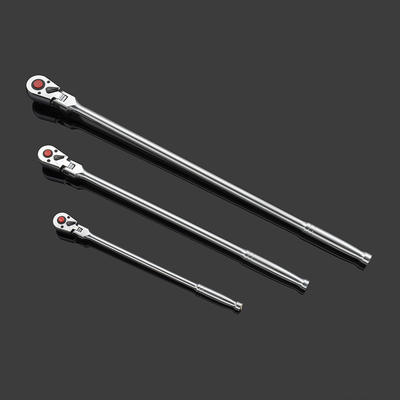
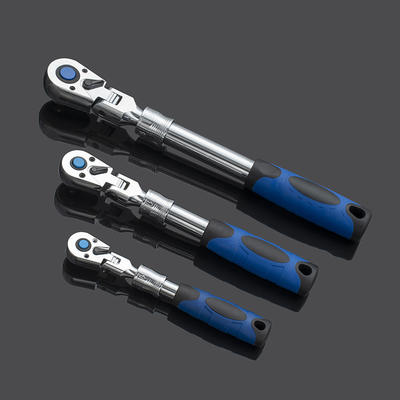
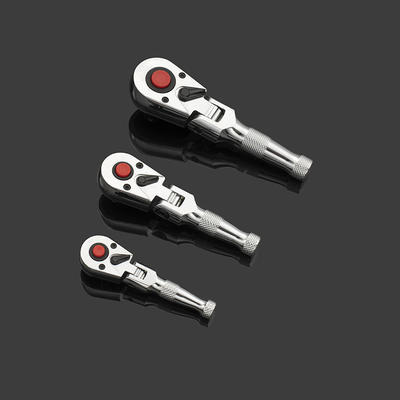
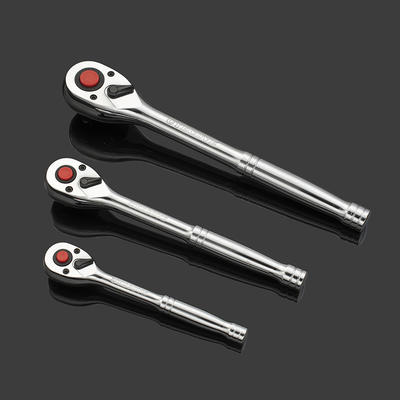
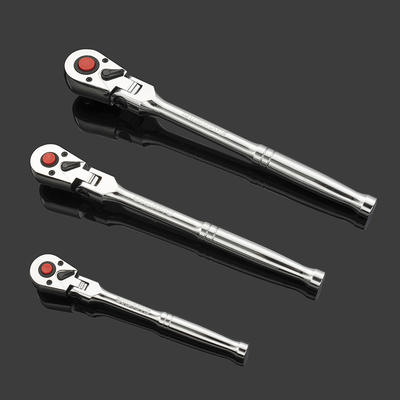
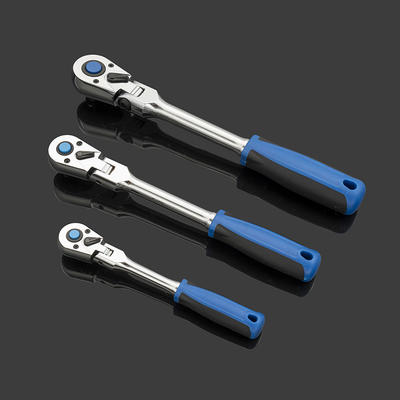
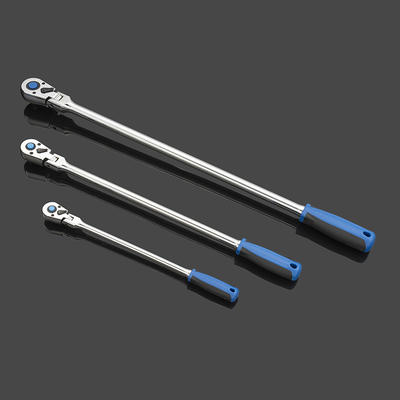
Flexible head extra long ratchet handle
Gear head material 42CrMo is a kind of steel type, belongs to ultra-high strength steel, high streng...
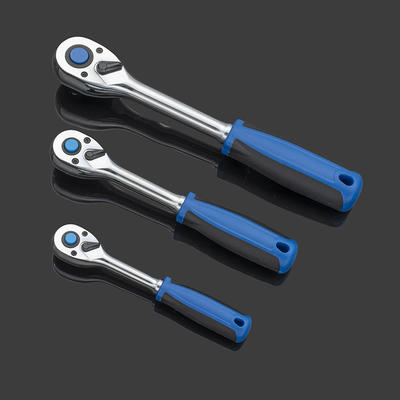
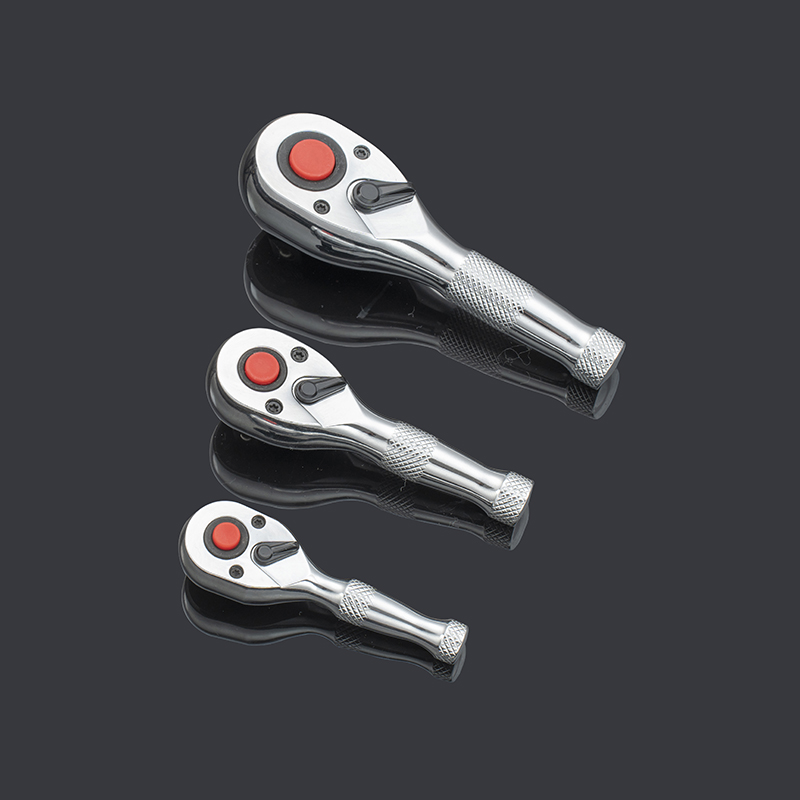
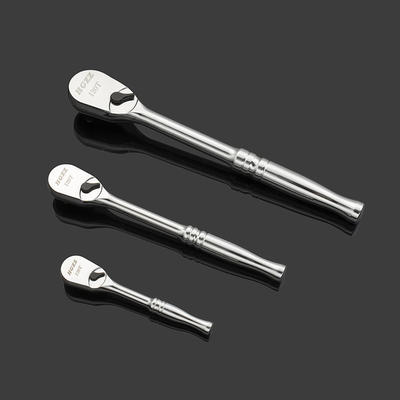
The ratchet handle with quick release button is a widely used hand tool in both professional and home mechanical applications. Its unique design ensures efficiency, safety, and precision during fastening and loosening tasks. Among its critical functional aspects, the ability to prevent socket slipping is paramount.
A ratchet handle with quick release button is a hand tool designed to turn sockets in confined or challenging spaces efficiently. Unlike fixed-head ratchets, this type incorporates a quick release button that allows easy attachment and detachment of sockets. This feature is particularly valuable in environments where speed, accuracy, and tool reliability are critical, such as automotive repair, industrial assembly, and maintenance operations.
One of the primary concerns for users is socket slipping, which can compromise both task accuracy and user safety. Understanding how these tools prevent slippage requires a close look at their mechanical components and operational principles.
The core function of any ratchet handle with quick release button is to transmit rotational force from the handle to the socket. To prevent slipping, the tool must maintain a secure mechanical connection between the socket and the drive head. Several design elements contribute to this stability:
The quick release button plays a pivotal role in securing sockets. When pressed, it allows a socket to be easily attached or detached. When released, it locks the socket in place through a spring-loaded mechanism. This ensures that once a socket is engaged, it cannot accidentally disengage, even under significant torque.
The reliability of this mechanism depends on precise manufacturing tolerances and high-quality spring materials. Any wear or deformation in these components can reduce effectiveness, leading to potential slipping or accidental socket release.
The ratchet mechanism itself is crucial for preventing slippage. Inside the head of the tool, a set of finely machined teeth engages a pawl. When the handle is turned, the pawl engages the teeth, transmitting torque to the socket.
High-quality ratchet handles with quick release button often use a large number of fine teeth to reduce backlash—the small amount of free rotation between handle movement and socket movement. By minimizing backlash, the tool reduces the risk of the socket slipping off fasteners during critical tasks.
Many ratchet handles with quick release button include additional mechanical features such as detents or retention pins. These features provide an extra layer of security by physically preventing the socket from sliding off the drive head. When combined with the quick release button, this ensures both convenience and stability in a single operation.
The materials used in ratchet handles with quick release button directly affect their ability to prevent socket slipping. Premium models often use hardened steel or alloys for the ratchet teeth, pawl, and drive head. These materials resist deformation, which can otherwise lead to increased backlash and slipping.
Additionally, corrosion-resistant coatings protect the mechanism from rust and wear over time. In industrial environments where exposure to moisture, oil, or chemicals is common, this resistance is crucial to maintaining the integrity of the socket locking mechanism.
While the ratchet mechanism is central to preventing slippage, the design of the handle also contributes. A well-designed ratchet handle with quick release button allows the user to apply force evenly, reducing the likelihood of the socket slipping off the fastener.
Ergonomic considerations include:
By combining mechanical retention with ergonomic efficiency, these tools provide both precision and reliability.
Even with advanced design, socket slipping can occur under certain conditions. Common causes include:
Preventive measures include regular maintenance, proper tool selection, and appropriate force application. Many buyers in professional settings prioritize ratchet handles with quick release button that are rated for high torque and feature robust locking mechanisms.
The quick release button adds convenience and efficiency without compromising safety. Some of its key advantages include:
These benefits make the ratchet handle with quick release button a preferred choice for both professional mechanics and serious DIY enthusiasts.
Standard ratchet handles rely solely on friction or detent mechanisms to hold sockets. In contrast, ratchet handles with quick release button combine multiple retention methods, providing a redundant safety system. This combination enhances both performance and reliability:
| Feature | Ratchet Handle with Quick Release Button | Standard Ratchet Handle |
|---|---|---|
| Socket attachment | Spring-loaded quick release | Detent or friction-based |
| Speed of socket change | High | Moderate |
| Risk of slipping | Low | Higher under load |
| Ergonomic efficiency | Enhanced | Standard |
This comparison highlights why quick release ratchets are increasingly favored in industrial and automotive settings where both speed and safety are critical.
To ensure a ratchet handle with quick release button continues to prevent socket slipping effectively, proper maintenance is essential. Recommended practices include:
Following these steps extends the tool’s service life and ensures reliable socket retention.
The ratchet handle with quick release button is widely used across multiple industries:
Across all applications, the combination of quick release functionality, precise ratchet engagement, and ergonomic design ensures that the tool maintains a secure grip on sockets, minimizing the risk of accidents or inefficiency.
The ability of a ratchet handle with quick release button to prevent socket slipping is the result of careful mechanical design, material selection, and ergonomic engineering. Key features such as the quick release button, high-quality ratchet teeth, pawl engagement, and retention pins work together to ensure sockets remain securely attached under a variety of conditions.
Regular maintenance, correct tool selection, and appropriate handling practices further enhance performance and longevity. For professionals and serious DIY users, understanding these mechanisms is essential for safe, efficient, and precise work.
By combining mechanical reliability with operational convenience, the ratchet handle with quick release button remains an indispensable tool in modern toolkits, ensuring that socket slipping is minimized while maximizing task efficiency.

Committed to the production of torque wrenches, ratchet wrenches, sleeve tool sets and other auto and hand tools products.
 Add: Yiqiao Town, Xiaoshan District, Hangzhou City, Zhejiang Province, China. 311256
 Tel: +86-18072832111
 E-mail: [email protected]
Copyright ©2023 Hangzhou Hao Gong Tools Co., Ltd. All Rights Reserved
Mini Ratchet & Digital Torque Wrench Set Suppliers
