


 English
 中文简体
中文简体 русский
 Español
 Deutsch
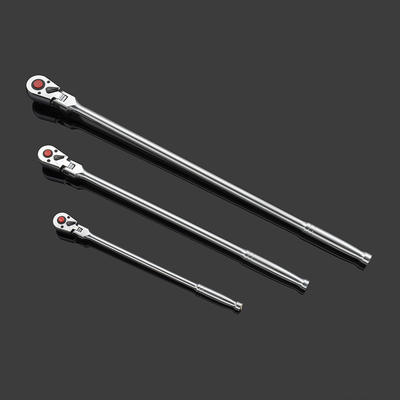
Flexible head extra long ratchet handle
Gear head material 42CrMo is a kind of steel type, belongs to ultra-high strength steel, high streng...
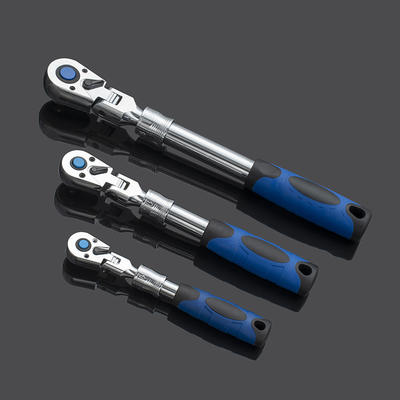
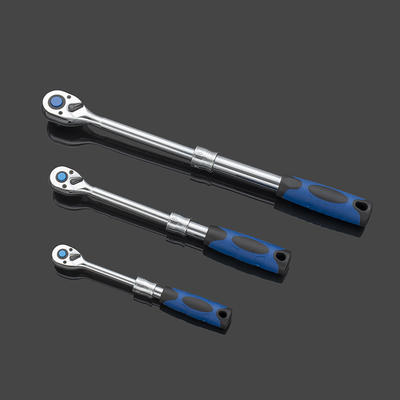
The extendable ratchet handle is an essential tool in both professional and DIY toolkits. Its ability to adjust in length provides versatility and improved torque application in confined or hard-to-reach areas. One of the most critical aspects of this tool is its ratchet gear system, which allows rotational motion in one direction while preventing motion in the opposite direction. This feature is particularly important for precision tasks, as it ensures controlled force application and reduces the risk of damage to fasteners or workpieces.
An extendable ratchet handle differs from a standard ratchet in its adjustable length. The handle can be extended to increase leverage, allowing the user to apply greater torque with minimal effort. The extendable design also enables access to tight or awkward spaces, making it highly valuable in automotive, industrial, and mechanical applications.
The key components of an extendable ratchet handle include:
Each component plays a vital role in the performance of the tool, but the ratchet gear system is the centerpiece when it comes to preventing backlash.
Backlash refers to the small, unwanted movement that occurs when the direction of rotation in a ratchet system is reversed. In practical terms, it manifests as a delay or looseness between the motion of the handle and the rotation of the socket. Backlash can reduce precision, cause damage to delicate fasteners, and negatively affect torque control.
In professional applications, such as mechanical assembly, automotive repair, or industrial maintenance, controlling backlash is essential. Users of an extendable ratchet handle must ensure that the gear system is designed to minimize this issue to maintain both accuracy and efficiency.
The ratchet gear system in an extendable ratchet handle is engineered to allow motion in one direction while restricting motion in the opposite direction. This is primarily achieved through the interaction of the following components:
The gear and pawl interaction is the core mechanism for preventing backlash. When the handle is turned in the intended direction, the pawl moves freely over the teeth. When rotation is reversed, the pawl engages the gear teeth immediately, creating a solid stop that prevents unwanted motion.
The durability and performance of a ratchet gear system in an extendable ratchet handle depend heavily on the materials used and the precision of construction. High-quality tools often use alloy steel or hardened steel for both the ratchet gear and the pawl. These materials provide excellent wear resistance, maintain gear integrity under high torque, and reduce the likelihood of deformation.
Additionally, precision machining of gear teeth is critical. Even minor inconsistencies can increase backlash. By maintaining tight tolerances, manufacturers ensure smooth engagement of the pawl with minimal play between teeth. This attention to detail is particularly important for applications requiring high torque or repetitive motion.
The extendable feature of a ratchet handle adds versatility but can also influence the performance of the ratchet gear system. Longer handles provide greater leverage, increasing torque, but they also introduce additional stress on the ratchet mechanism.
To prevent backlash under these conditions, designers often incorporate:
These measures ensure that the extendable ratchet handle functions reliably, even when fully extended.
One critical aspect of backlash prevention is the tooth count of the ratchet gear. Fine-tooth ratchets have more teeth per rotation, reducing the distance the pawl must travel before engaging the next tooth. This design:
Standard ratchets with fewer teeth may allow slightly more movement before engagement, which can be acceptable for general tasks but less suitable for precision work.
Even the best extendable ratchet handle will experience wear over time. Proper maintenance is essential to ensure continued prevention of backlash. Key maintenance practices include:
Neglecting these practices can increase backlash, reduce torque efficiency, and shorten the lifespan of the tool.
Certain industries rely heavily on extendable ratchet handles due to their ability to minimize backlash:
| Industry | Application | Importance of backlash control |
|---|---|---|
| Automotive repair | Engine assembly, suspension work | Ensures torque accuracy and prevents damage |
| Industrial maintenance | Machinery repair, assembly lines | Reduces operational errors and improves efficiency |
| Aerospace | Component assembly, fastening | Critical for safety and precision |
| Home DIY | Furniture assembly, plumbing | Enhances ease of use and prevents fastener stripping |
In all these applications, minimizing backlash ensures both accuracy and user confidence in the tool.
When selecting an extendable ratchet handle, consider the following factors:
By evaluating these aspects, buyers can select a tool that offers consistent performance and minimal backlash across a variety of tasks.
The ratchet gear system in an extendable ratchet handle is a finely engineered mechanism designed to prevent backlash, ensuring precise and controlled torque application. Through careful selection of materials, precision machining, and optimized pawl engagement, these tools provide both versatility and reliability. Users across industries benefit from reduced fastener damage, improved efficiency, and enhanced safety.
Understanding the principles behind backlash prevention allows professionals and hobbyists to make informed choices when selecting, maintaining, and using extendable ratchet handles, ensuring that the tool performs optimally in every application.
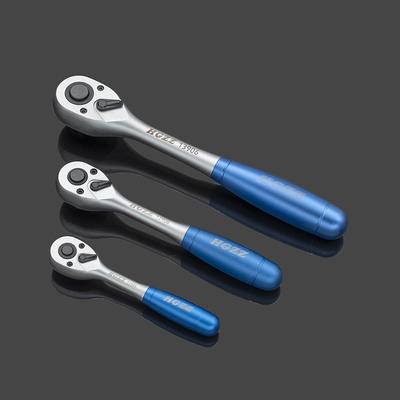
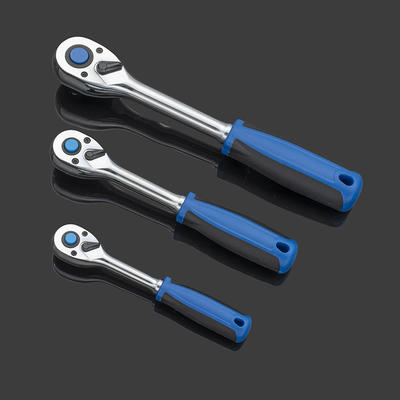
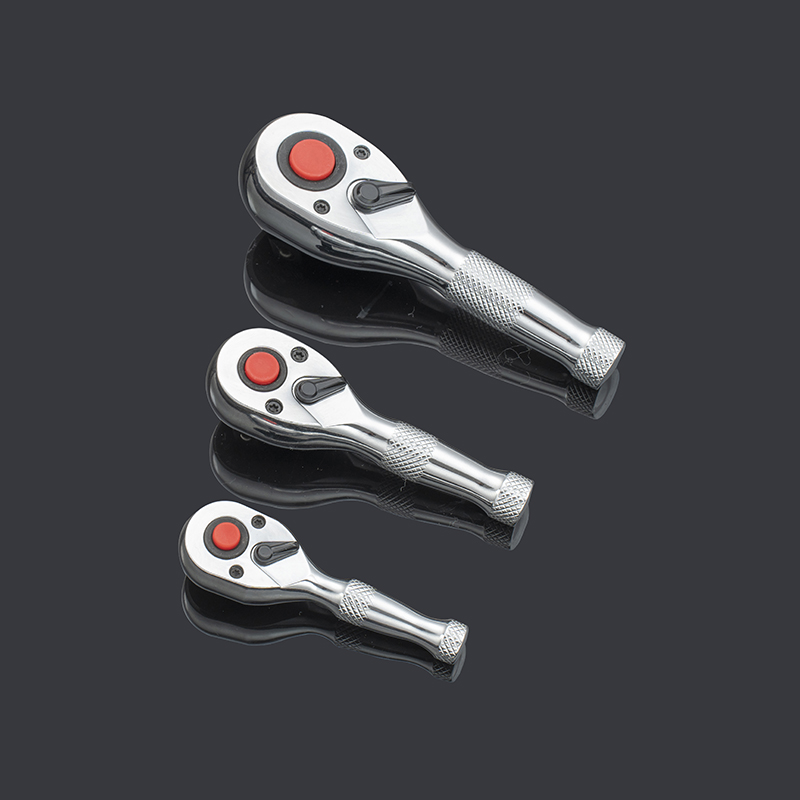
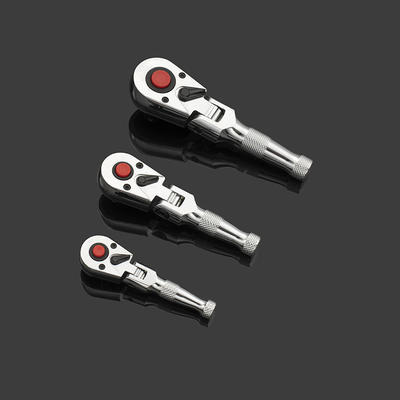
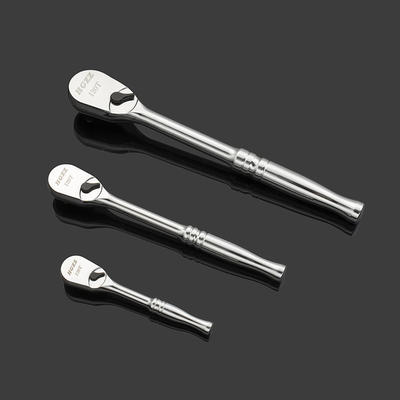
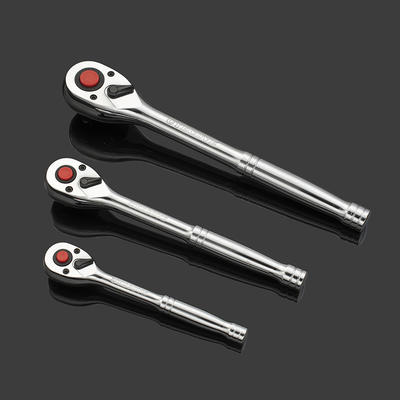
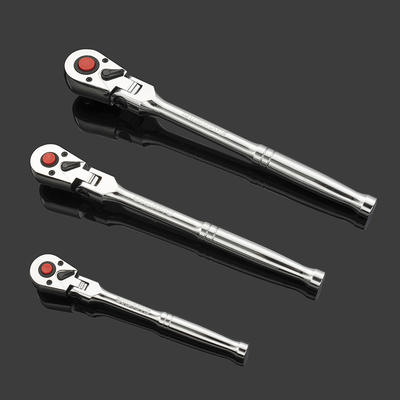
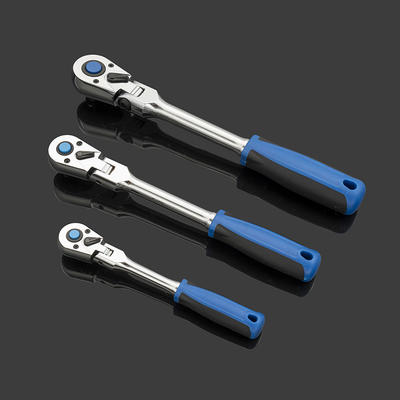
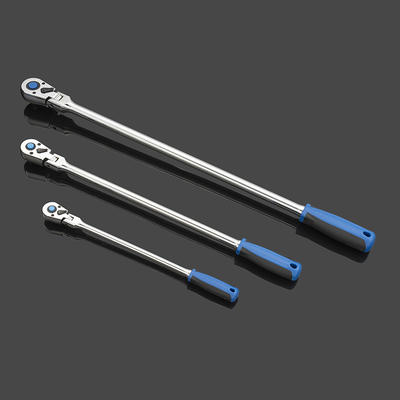

Committed to the production of torque wrenches, ratchet wrenches, sleeve tool sets and other auto and hand tools products.
 Add: Yiqiao Town, Xiaoshan District, Hangzhou City, Zhejiang Province, China. 311256
 Tel: +86-18072832111
 E-mail: [email protected]
Copyright ©2023 Hangzhou Hao Gong Tools Co., Ltd. All Rights Reserved
Mini Ratchet & Digital Torque Wrench Set Suppliers
