


 English
 中文简体
中文简体 русский
 Español
 Deutsch
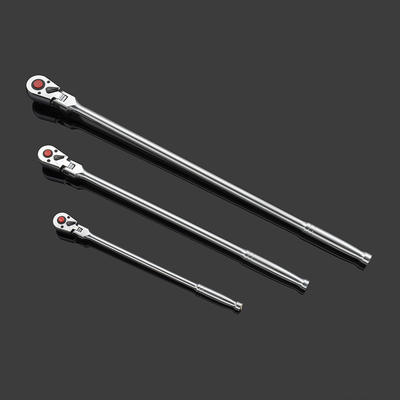
Flexible head extra long ratchet handle
Gear head material 42CrMo is a kind of steel type, belongs to ultra-high strength steel, high streng...
In industrial applications of mechanical fastening and precision assembly, the performance and longevity of torque‑delivering interfaces are heavily influenced by the materials used in torque tool heads. For interchangeable head torque wrenches, head materials must balance static strength, cyclic fatigue resistance, wear performance, manufacturability, and environmental durability. This comprehensive article examines material choices—ranging from conventional alloy steels and tool steels to advanced alloys such as titanium alloys and emerging multi‑component systems—through the lens of strength optimization and fatigue life extension. The analysis includes mechanical behavior principles, fatigue mechanisms, microstructural influences, surface and heat treatment strategies, and comparison tables to support engineering decisions that enhance reliability and life cycle performance of torque tool systems.
Interchangeable head torque wrenches are mechanical tools designed to apply controlled torque through exchangeable heads that enable a range of fastening interfaces. These devices are essential across industrial sectors where precision tightening and repeatable torque application are required. The torque head, which interfaces directly with the fastener, must withstand high stresses during operation, repeated load cycles, and often abrasive or corrosive environments. Material selection for these components is a critical aspect of ensuring consistent performance and minimizing tool maintenance or failure.
While much attention in design focuses on accuracy and calibration, material engineering underpins the ability of a torque wrench head to survive operational demands without deformation, cracking, or fatigue failure. Material choices influence static strength (e.g., ultimate tensile strength, yield strength), cyclic durability under repeated torque loads, toughness, machinability, compatibility with coatings, and resistance to environmental degradation.
To understand how materials contribute to strength and fatigue resistance, it is useful to outline the key mechanical properties relevant to torque tool heads:
Different materials and treatments yield different balances of these properties. Material selection involves trade‑offs depending on torque ranges, application conditions, expected service life, and manufacturability.
Alloy steels are commonly used as base materials for torque tool heads in industrial tools due to their combination of tensile strength, toughness, and cost effectiveness.
Alloy steels incorporate elements such as chromium (Cr), molybdenum (Mo), vanadium (V), nickel (Ni), and manganese (Mn), which contribute to increased hardness, strength, and fatigue resistance when properly heat treated. Grades like 42CrMo are typical for high‑load tool components. Alloy steels can be heat treated to achieve a balance of strength and toughness, which is essential for resisting cyclic stresses and avoiding brittle fracture during repeated tightening events. ([worthfultools.com][1])
The fatigue performance of alloy steels is heavily influenced by microstructure and heat treatment. Carburizing or induction hardening can increase surface hardness, while a ductile core supports toughness and resistance to crack propagation.
Tool steels are a specific category of high‑performance steels optimized for wear resistance and mechanical strength. Within tool steels, those used for gauges and precision tools emphasize dimensional stability, high hardness, and fatigue resistance. ([Wikipedia][2])
Tool steels can be classified into:
For torque wrench heads, high‑alloy tool steels are often preferred where wear and fatigue resistance are critical. Surface hardening techniques such as nitriding or induction hardening further enhance fatigue strength by creating compressive residual stresses at the surface, which resist crack initiation.
In some use cases, particularly where weight reduction and ergonomic handling are valuable, lightweight alloys such as aluminum alloys and titanium alloys play a role.
Aluminum alloys such as the 7000 series combine low density with relatively high strength. For example, alloy 7068 exhibits tensile strength comparable to some steels while maintaining low weight. ([Wikipedia][3])
However, aluminum alloys typically have lower fatigue strength compared to steels due to lower modulus and cyclic yield properties. Aluminum tool heads are less common for high‑torque applications but may be used in body components of torque systems where weight is a priority and loads are moderate.
Pros:
Cons:
Aluminum alloys, when alloyed with titanium, show improved mechanical performance and fatigue resistance compared to aluminum alone, supporting use in lighter torque tool bodies while critical stress‑bearing components remain steel. ([SinoExtrud][4])
Titanium alloys, especially Ti‑6Al‑4V, offer a high strength‑to‑weight ratio and good resistance to fatigue and corrosion. They are widely used in aerospace and high‑performance applications. ([Wikipedia][5])
Titanium’s intrinsic properties provide:
While titanium alloys are heavier than aluminum, they approach steel strength levels with reduced density. However, cost and machining complexity are higher, making them suitable for specialized torque tools where weight and corrosion resistance justify expense.
High‑entropy alloys are emerging classes of materials composed of multiple principal elements in near‑equal proportions. These alloys often demonstrate exceptional combinations of strength, toughness, corrosion resistance, and fatigue performance due to complex microstructures that impede dislocation motion and slow crack propagation. ([arXiv][7])
While HEAs have not yet become mainstream for torque tool heads due to manufacturing cost and scale limitations, they represent a promising future direction for components requiring extreme fatigue resistance and high durability. Continued research may enable tailored HEA compositions optimized for cyclic loading in torque applications.
Choosing the optimal material for a torque wrench head involves consideration of the following criteria:
Torque tool heads experience a combination of static and cyclic loads. The material must sustain the maximum expected torque without onset of plastic deformation and resist repetitive loading without crack initiation or propagation.
Engineering teams often characterize expected loads through stress analysis and fatigue life modeling to define material targets.
Exposure to moisture, chemical environments, and temperature cycles influences material choice. Materials with inherent corrosion resistance (e.g., stainless steels, titanium alloys) or with protective coatings (e.g., nitriding, chromium plating) are often preferred where corrosion could accelerate fatigue crack initiation.
Material must be compatible with established processes such as forging, machining, and heat treatment. Tool steels and alloy steels benefit from decades of industrial processing knowledge, whereas advanced alloys often require specialized handling.
Material selection must support surface treatment techniques such as:
These processes can significantly enhance surface hardness and fatigue life.
| Material Category | Strength | Fatigue Resistance | Corrosion Resistance | Weight | Typical Use Case |
|---|---|---|---|---|---|
| Alloy Steel (e.g., 42CrMo) | High | High | Moderate (with coating) | Heavy | Standard high torque heads |
| Tool Steel (high alloy) | Very High | Very High | Moderate | Heavy | Precision, wear‑intensive use |
| Aluminum Alloy (7000 series) | Moderate | Low‑Moderate | Good | Light | Lightweight tool bodies |
| Titanium Alloy (Ti‑6Al‑4V) | High | High | Excellent | Moderate | Lightweight high fatigue environments |
| High‑Entropy Alloys | Very High (emerging) | Very High (emerging) | High (emerging) | Variable | Advanced research and future |
| Surface Treatment | Purpose | Typical Impact on Fatigue |
|---|---|---|
| Carburizing | Hardens surface | Increases fatigue life by hindering crack initiation |
| Nitriding | Creates hard nitride layer | Increases wear resistance and fatigue endurance |
| Induction Hardening | Local surface hardening | Enhances strength and fatigue life near surface |
| PVD Coatings | Wear and corrosion protection | Reduces surface micro‑defects, delaying fatigue cracks |
The effectiveness of a chosen material is not isolated—the design geometry, stress concentrators, and manufacturing processes work in concert with material properties to define final performance.
Stress concentrators such as sharp corners, abrupt cross‑section changes, and keyway interfaces increase local stresses and accelerate fatigue crack initiation. Design optimization involves:
Material with high fatigue resistance mitigates risks, but careful geometry reduces peak stresses and extends life.
Surface finishing and treatment further reinforce this synergy. A hardened surface with controlled compressive residual stresses inhibits crack initiation, which is often the dominant mechanism of fatigue failure.
Empirical studies demonstrate how microstructural and heat treatment variations influence fatigue life. In components where heat treatment was misapplied, fatigue failures occurred in regions of peak stress due to improper microstructure and inadequate ductility. Optimization of quenching, tempering, and cooling rates corrected the heat treatment problems and significantly improved service life. ([Sohu][8])
Such results highlight that processing history is as important as base material choice.
Torque tool heads must undergo rigorous static and fatigue testing to validate design and material decisions. Specialized test rigs measure torque vs. angle, cycles to failure, and performance under simulated service conditions. Devices designed for fatigue testing can apply thousands of load cycles to a tool head while monitoring displacement and torque retention. ([zyzhan.com][9])
These test platforms are essential to verify that material choices and surface treatments achieve desired fatigue life targets under representative load spectra.
Material selection for interchangeable head torque wrenches is a multifaceted engineering decision. A robust choice balances static strength, fatigue resistance, corrosion performance, manufacturability, and cost.
Design teams should adopt a system engineering approach that integrates material properties, geometry optimization, surface engineering, and rigorous validation to ensure reliable and durable torque tool performance.
Q: Why is fatigue resistance critical for torque tool heads?
A: Fatigue resistance determines how well a material withstands repeated torque cycles without crack initiation or growth, crucial for longevity of torque wrench heads.
Q: Can aluminum alloys be used for high‑torque applications?
A: Aluminum alloys are lightweight and corrosion‑resistant but typically have lower fatigue strength than steels, so they are better suited to moderate torque ranges or non‑critical components.
Q: What role does surface treatment play?
A: Surface treatments like nitriding or induction hardening create hardened outer layers and compressive residual stresses, delaying fatigue crack formation and improving wear resistance.
Q: Are titanium alloys superior to steels for fatigue resistance?
A: Titanium alloys have excellent fatigue properties and corrosion resistance with high strength‑to‑weight ratios, but cost and machining complexity often limit their use to specialized applications.
Q: How should materials be tested for fatigue performance?
A: Fatigue performance is typically verified using cyclic load testing on specialized rigs that simulate repeated torque application until failure or a predefined number of cycles.
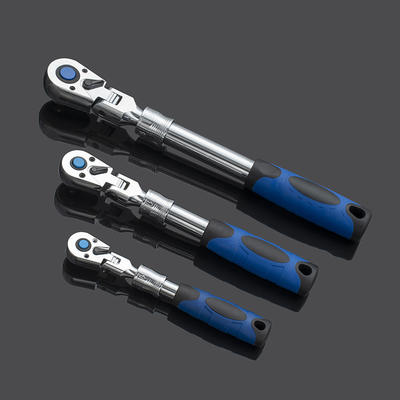
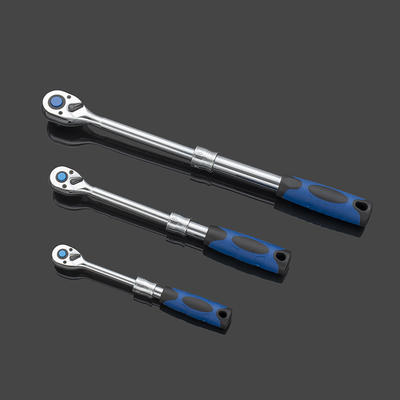
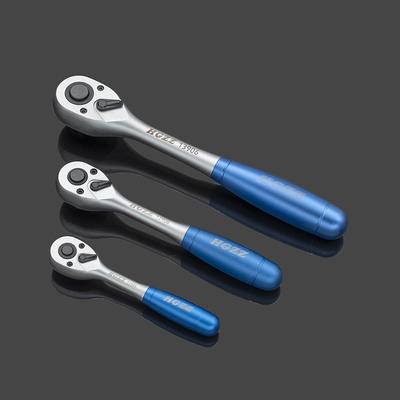
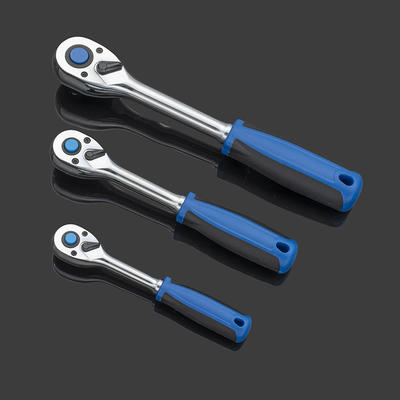
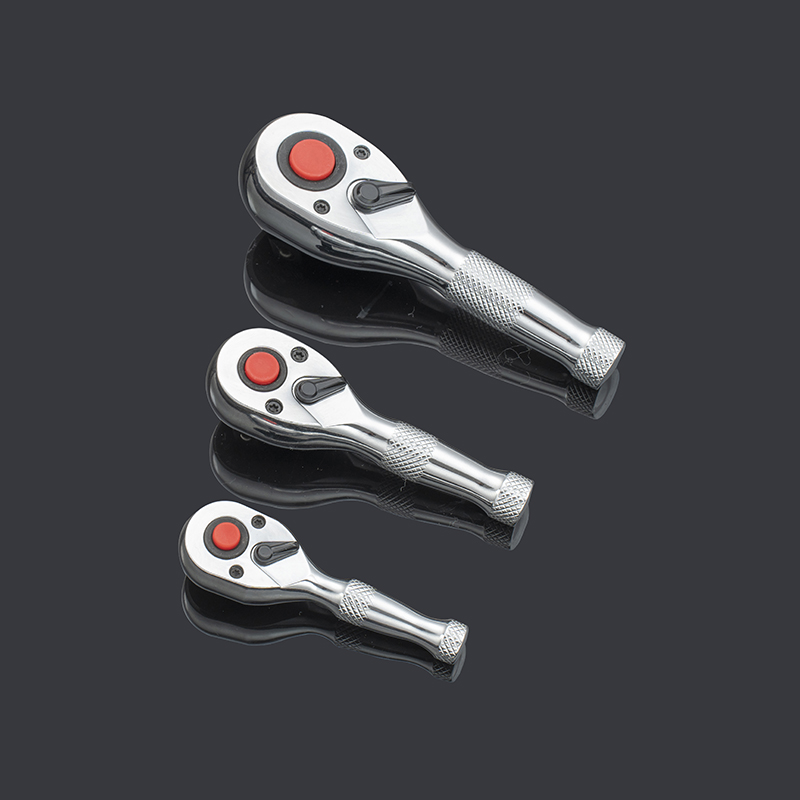
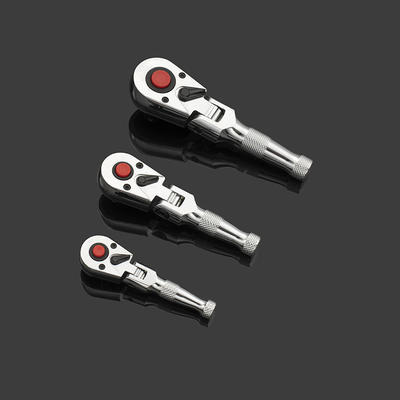
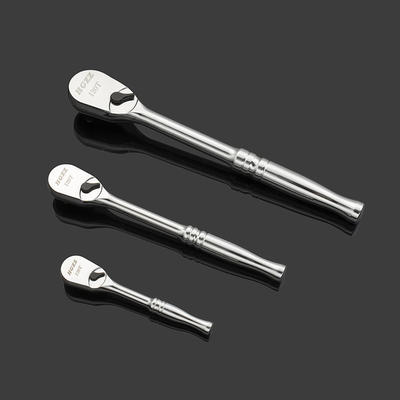
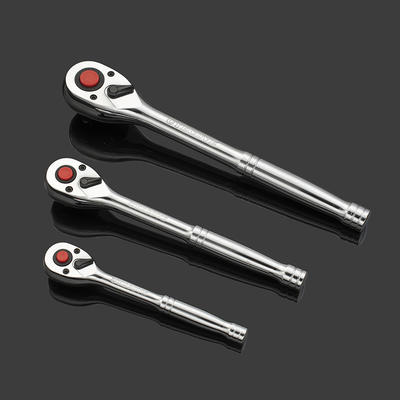
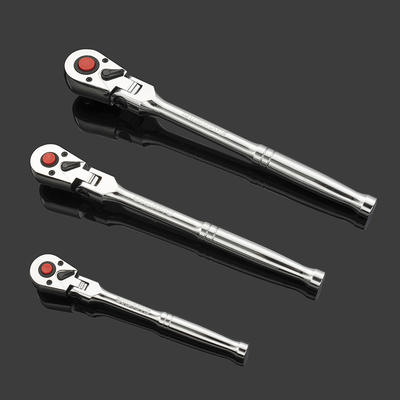
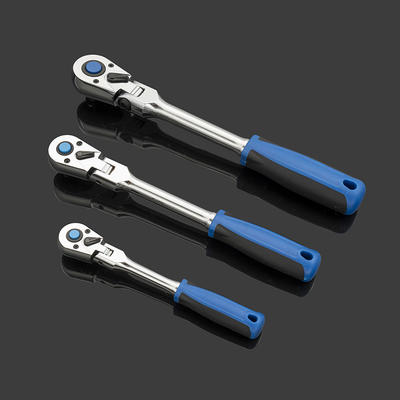
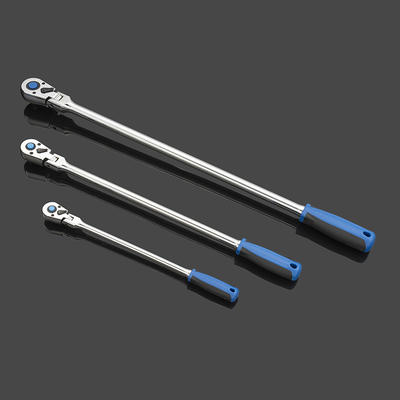

Committed to the production of torque wrenches, ratchet wrenches, sleeve tool sets and other auto and hand tools products.
 Add: Yiqiao Town, Xiaoshan District, Hangzhou City, Zhejiang Province, China. 311256
 Tel: +86-18072832111
 E-mail: [email protected]
Copyright ©2023 Hangzhou Hao Gong Tools Co., Ltd. All Rights Reserved
Mini Ratchet & Digital Torque Wrench Set Suppliers
