


 English
 中文简体
中文简体 русский
 Español
 Deutsch
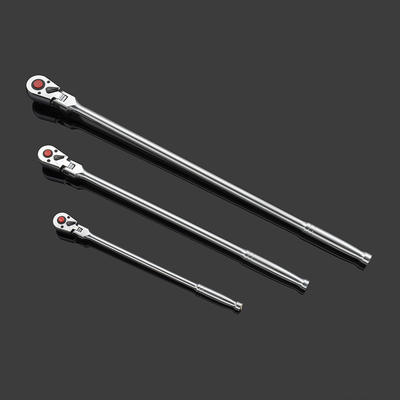
Flexible head extra long ratchet handle
Gear head material 42CrMo is a kind of steel type, belongs to ultra-high strength steel, high streng...
In complex industrial operations and advanced manufacturing systems, torque control and tightening accuracy are not merely operational tasks — they are central to quality assurance, traceability, and compliance workflows. The emergence of wireless torque tools represents a shift away from isolated manual measurement methods toward connected tool ecosystems that embed torque data across production, quality, and maintenance systems.
Torque tightness directly influences product safety, longevity, and structural integrity in assemblies ranging from automotive engines to industrial machinery. Traditional torque measurement methods — whether mechanical beam torque wrenches or wired digital devices — have historically required manual recording, interpretation, and subsequent integration into quality systems.
Wireless torque tools disrupt this conventional loop through networked connectivity, enabling real‑time transfer of torque measurement data directly to host systems without manual intervention. Connected torque wrenches use standards such as Bluetooth, Wi‑Fi, or IEEE 802.11 protocols to communicate readings to computers, tablets, or enterprise databases. ([Tohnichi][1])
This connectivity paradigm supports distributed data collection and automated documentation, lifting torque measurement from a local technician task to an integrated system event that triggers downstream quality and compliance processes.
A core benefit of wireless torque tools is their ability to transmit measurement data in real time into assembly execution systems, digital logs, and traceability databases. Rather than waiting for technicians to manually log values or transfer files, data arrives instantly in central repositories.
| Feature | Wireless Torque Tool | Wired / Manual Torque Tool |
|---|---|---|
| Real‑time data transmission | Yes, via Bluetooth/Wi‑Fi ([Tohnichi][1]) | No, requires post‑task export |
| Immediate integration with MES/ERP | High | Low |
| Automated trace logging | Yes | No |
| Feedback loops for process control | Support enabled | Limited |
Real‑time data transmission supports instant verification of torque compliance, enabling corrective action before products leave the assembly station. This also aligns with requirements for digital traces in regulated industries, where maintaining an audit trail is essential.
The ability to automatically capture torque values — including timestamps, tool identification, and operator context — strengthens quality control and offers defensible documentation for compliance and audit purposes.
Manual torque logging or wired data capture introduces several points of possible human error: transcription mistakes, skipped records, or delays in data entry. Wireless torque tools mitigate these risks by automating the entire capture and transfer process.
Wireless connectivity ensures that torque data is reliably associated with the correct operation instance, and that metadata such as time, tool ID, and application context accompanies each measurement. This increases confidence in quality control and reduces the need for re‑inspections or corrective rework.
Furthermore, real‑time feedback enables technicians to adjust torque application immediately if the measured value deviates from the target range.
From a systems engineering viewpoint, wireless torque tools open the door to cross‑system integration, unifying tool‑level measurements with plant‑level systems such as Manufacturing Execution Systems (MES), quality management platforms, and maintenance management systems.
This integration enables:
Such integration contrasts sharply with traditional models where torque readings are siloed on individual devices and require batch transfers or manual exports for system consolidation.
Digital quality assurance frameworks increasingly demand end‑to‑end traceability of critical parameters. In applications such as aerospace, automotive, and industrial machinery, improperly torqued fasteners can cause catastrophic failures or safety incidents. Wireless torque tools help operationalize torque measurement into quality assurance processes.
Wireless torque data can be:
This level of traceability supports compliance with international standards (e.g., ISO 6789 for torque tools) and customer quality specifications, reducing the risk associated with recalls or defects.
Wireless torque tools streamline workflows by eliminating steps for manual data handling. Technicians can focus on actual assembly tasks rather than administrative overhead. This leads to measurable gains in throughput, especially in high‑volume operations.
| Workflow Step | Wireless Tool Impact | Traditional Tool Impact |
|---|---|---|
| Torque application | Normal operation | Normal operation |
| Data logging | Automated | Manual |
| Data transfer to system | Instant | Delayed / Batch |
| Error reconciliation | Minimal | Frequent |
| Data availability for analytics | Immediate | Post‑process |
Automated capture and transfer reduce cycle times and accelerate downstream activities such as quality verification and production analytics.
Wireless torque tools offer installation flexibility compared to wired devices that require specific interfaces or connection points. Tools can roam freely throughout the workspace, maintaining connection with central systems within network‑enabled ranges.
This mobility is particularly advantageous for:
Wireless connectivity simplifies deployment, and centralized receivers can aggregate data from multiple tools simultaneously, further reducing infrastructure complexity. ([Poltorque][2])
A key systems‑oriented benefit of wireless torque tools is their ability to feed longitudinal data into analytics platforms. Rather than storing values on local devices or spreadsheets, wireless data streams into enterprise systems that can:
Such capabilities extend the value of torque measurement beyond isolated tasks into continuous improvement cycles — a central tenet of advanced manufacturing systems.
Wireless torque tools that report usage patterns and measurement drift enable evidence‑based calibration decision support. Instead of scheduled calibration intervals based solely on time or usage counts, systems can trigger calibration when actual data indicates the need, optimizing tool reliability and reducing unnecessary calibration costs.
This data‑driven calibration approach enhances accuracy and extends service life while maintaining compliance thresholds.
The integration of wireless torque tools aligns with broader Industry 4.0 and IoT strategies that emphasize connectivity, data exchange, and cyber‑physical system integration. Connected torque measurement tools become nodes in an industrial network, contributing to holistic visibility across production processes.
Industry thought leadership on connected torque tools underscores the potential for torque measurement data to inform broader system decisions, such as automated torque specification look‑ups and dynamic adjustment of tightening targets in real time. ([Plex][3])
This contextual data interrelationship strengthens the information infrastructure required for advanced manufacturing execution.
Wireless torque tools — including wireless variants of digital display torque wrench solutions — provide system‑level advantages that extend far beyond the capabilities of wired or manually documented torque devices. These benefits include:
The advent of wireless connectivity in torque measurement transforms these tools from isolated measurement devices into integrated components of digital quality and manufacturing systems. As manufacturing and assembly environments continue to evolve toward data‑centric operations, wireless torque tools offer a clear path for enhancing process reliability, documentation rigor, and system responsiveness.
Q1: What distinguishes a wireless torque tool from a wired one?
A wireless torque tool transmits torque measurement data via wireless protocols (such as Bluetooth or Wi‑Fi) directly to connected systems in real time, whereas a wired tool typically requires physical connections or manual data transfer.
Q2: Are wireless torque tools suitable for high‑precision industrial applications?
Yes. Wireless tools provide comparable precision while adding benefits like real‑time data logging and system integration, making them suitable for precision‑critical environments.
Q3: How does wireless torque data improve quality control?
The instant availability of torque values with metadata enhances traceability and enables quality systems to validate each fastening event against specifications, reducing defect risk.
Q4: Can wireless torque tools interface with enterprise systems like MES or ERP?
Yes. Many wireless torque tools support integration with MES, ERP, and quality management systems, enabling automated data flows and downstream analysis.
Q5: Does wireless connectivity introduce security concerns?
Like all networked devices, wireless torque tools must adopt appropriate data security practices (e.g., secure protocols, access control) to ensure data integrity and confidentiality.
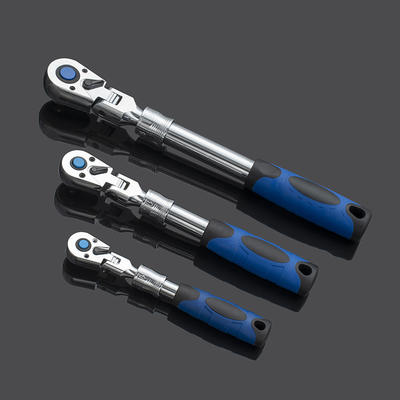
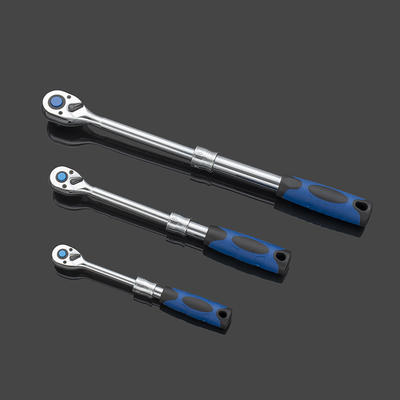
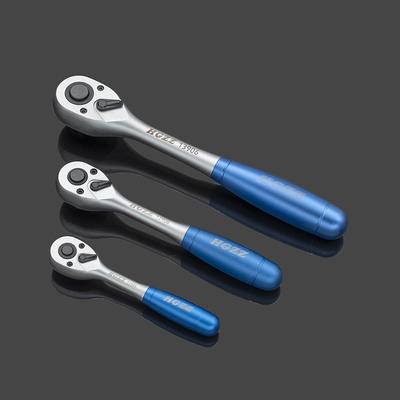
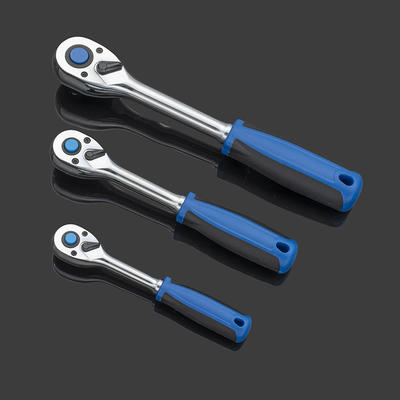
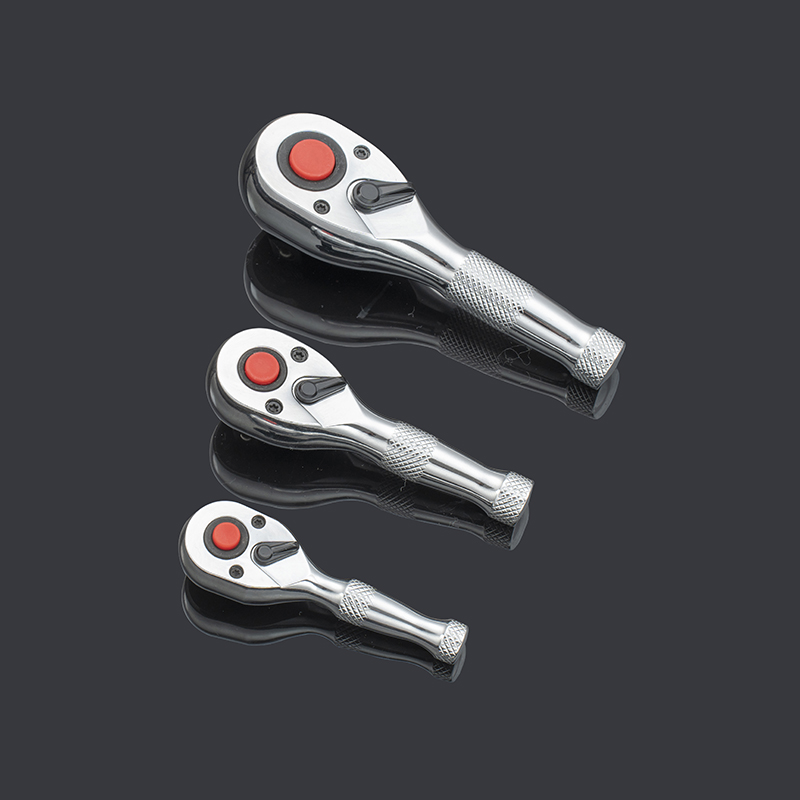
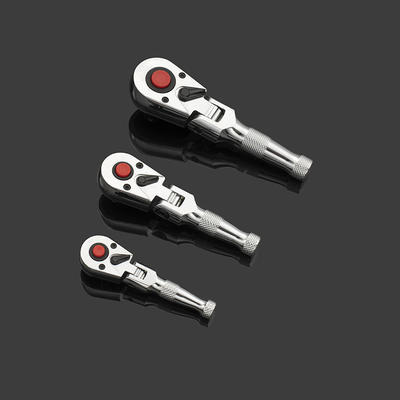
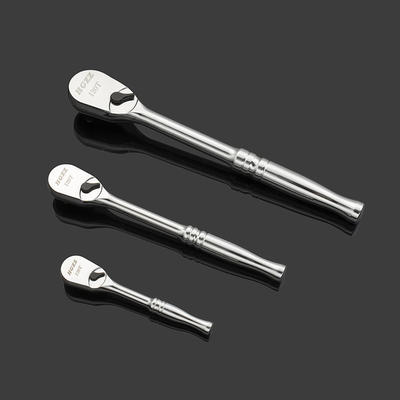
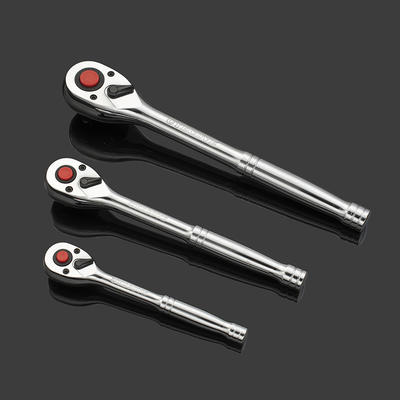
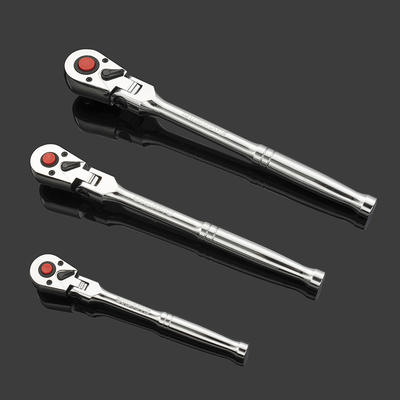
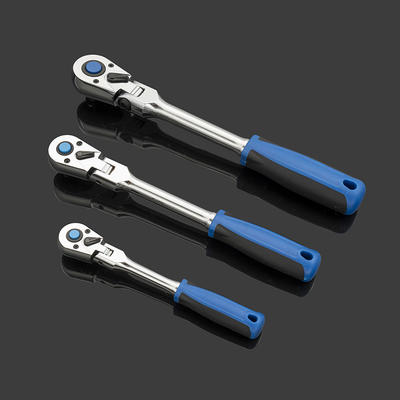
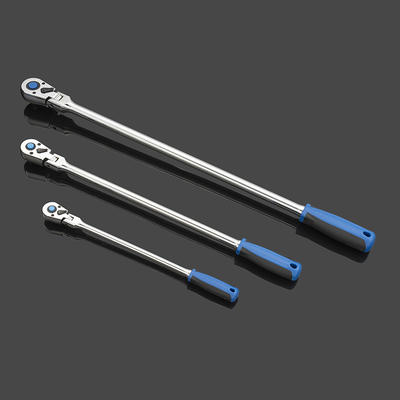

Committed to the production of torque wrenches, ratchet wrenches, sleeve tool sets and other auto and hand tools products.
 Add: Yiqiao Town, Xiaoshan District, Hangzhou City, Zhejiang Province, China. 311256
 Tel: +86-18072832111
 E-mail: [email protected]
Copyright ©2023 Hangzhou Hao Gong Tools Co., Ltd. All Rights Reserved
Mini Ratchet & Digital Torque Wrench Set Suppliers
