


 English
 中文简体
中文简体 русский
 Español
 Deutsch
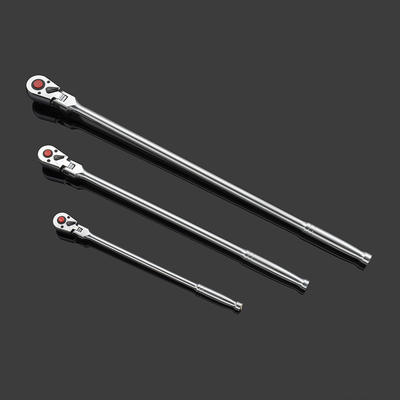
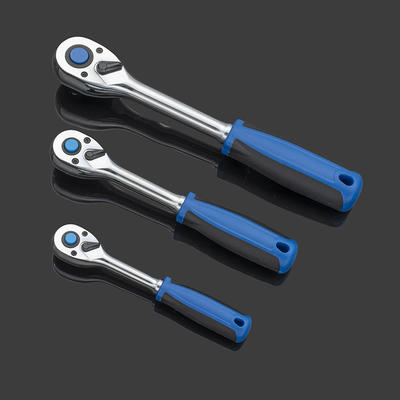
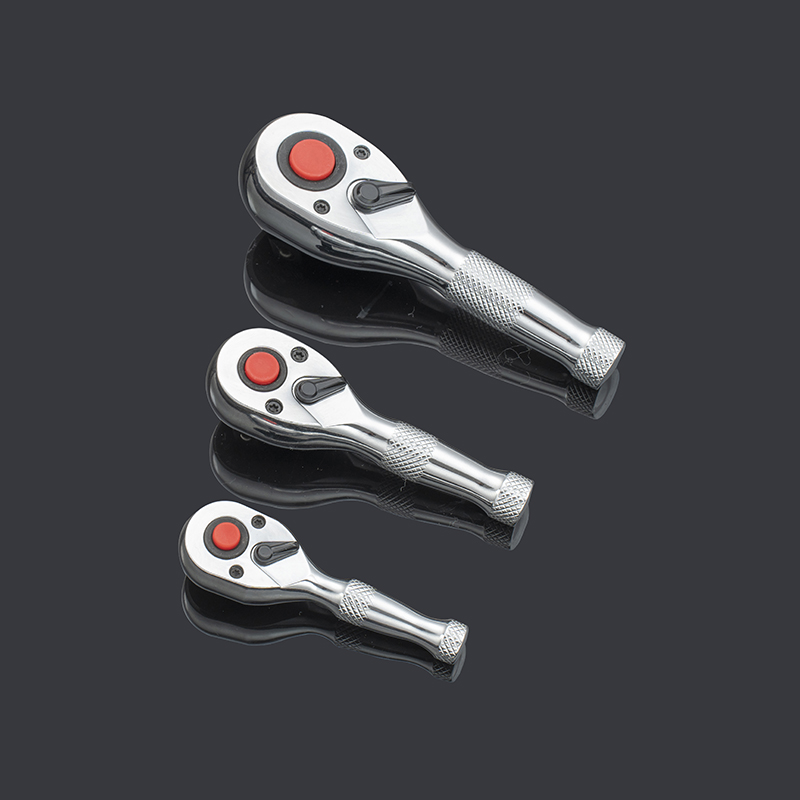
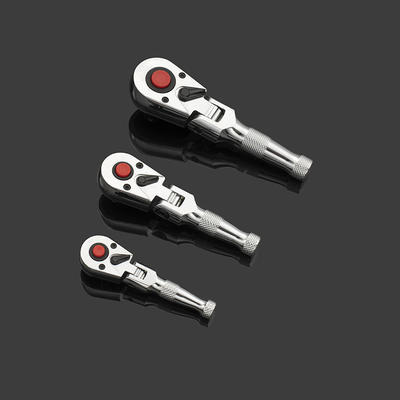
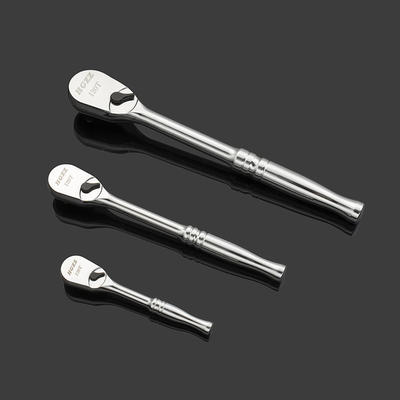
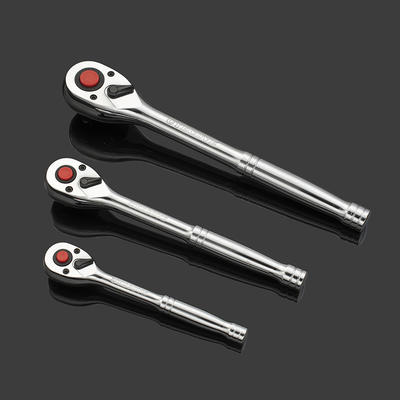
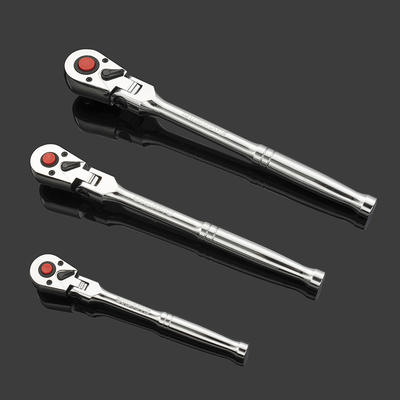
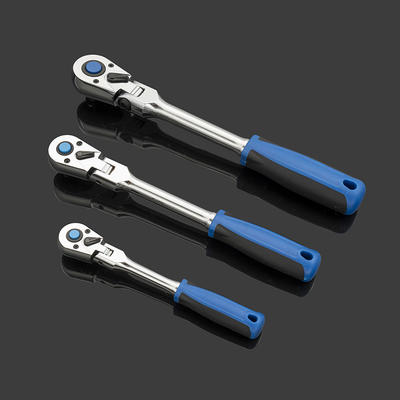
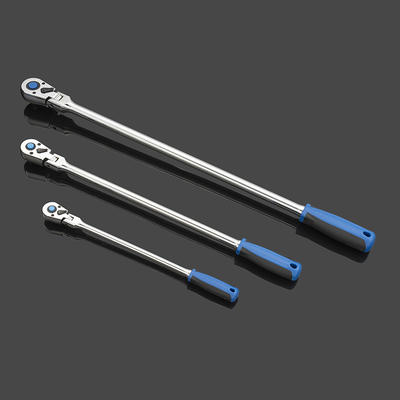
Flexible head extra long ratchet handle
Gear head material 42CrMo is a kind of steel type, belongs to ultra-high strength steel, high streng...
In mechanical assembly and maintenance, precision tools play a pivotal role. Among these tools, the mini ratchet wrench torque has emerged as an essential instrument for professionals and hobbyists alike. Its primary function is to apply controlled torque to fasteners in confined spaces where larger tools are impractical. However, one of the most critical performance factors in mini ratchet wrench torque is backlash, which can compromise both efficiency and accuracy. Understanding the design features that reduce backlash is vital for users seeking optimal performance and reliability.
Backlash in a mini ratchet wrench torque refers to the slight movement or “play” between the wrench mechanism and the fastener before torque is effectively applied. Excessive backlash not only affects precision but can also lead to wear over time, potentially reducing the tool’s lifespan.
Backlash occurs when there is a delay between the handle movement and the engagement of the drive mechanism with the fastener. In a mini ratchet wrench torque, this is particularly noticeable due to the tool’s compact size and fine gear mechanisms. Unlike standard ratchet wrenches, which rely on larger gears and longer handles, mini ratchet wrench torque devices operate with tighter tolerances and smaller teeth, which can either exacerbate or mitigate backlash depending on design quality.
Backlash not only affects precision but can also increase the risk of fastener damage, especially in delicate assembly tasks. When torque is applied inconsistently due to internal play, the applied force may exceed the desired specification, potentially stripping threads or deforming components. Therefore, reducing backlash is not merely a matter of improving efficiency; it directly impacts tool safety and reliability.
The gear design within a mini ratchet wrench torque is one of the most influential factors in backlash reduction. High-precision gear teeth with minimal spacing help ensure immediate engagement when the handle is turned. Fine-toothed gears, often found in compact ratchets, allow the tool to apply torque in smaller increments, reducing the noticeable “slack” movement before engagement.
The shape of the teeth also plays a critical role. Rounded or carefully profiled teeth facilitate smoother engagement, while sharper or poorly aligned teeth can increase the perceived backlash. Additionally, a higher tooth count per gear revolution generally translates to lower backlash because the mechanical movement required to engage the teeth is smaller. In mini ratchet wrench torque, this design consideration balances compactness with precision, ensuring the tool remains effective in tight spaces without sacrificing control.
The pawl mechanism, which interacts with the gear to allow unidirectional rotation, is another critical component affecting backlash. In a mini ratchet wrench torque, the pawl must be precisely aligned and tensioned to minimize play. Springs are commonly used to maintain consistent pawl engagement against the gear teeth. If the spring is too weak, the pawl may fail to maintain constant contact, increasing backlash. Conversely, an overly strong spring can make the mechanism stiff, reducing user comfort without significantly improving accuracy.
Advanced designs often employ dual-pawl systems or optimized single-pawl geometries to maximize contact points and distribute engagement forces more evenly. These adjustments reduce the gap between gear and pawl, ensuring that torque is transmitted efficiently and reliably.
The materials used in constructing a mini ratchet wrench torque significantly influence its susceptibility to backlash. Hard, wear-resistant metals such as high-grade steel or alloy components are typically used for gears and pawls. These materials maintain dimensional stability over time, preventing the gradual increase in backlash caused by wear.
Surface treatments, such as heat treatment or coatings, further enhance durability and reduce friction. A well-lubricated and treated gear mechanism maintains tighter tolerances, ensuring that the mini ratchet wrench torque delivers consistent torque output throughout its service life. Conversely, low-quality materials may deform under repeated use, leading to increased play and unreliable performance.
While often overlooked, handle design can indirectly influence backlash perception in a mini ratchet wrench torque. A longer handle may amplify mechanical advantage, allowing torque to be applied more smoothly and reducing the impact of internal play. Conversely, very short handles may make the backlash more noticeable, especially when precise torque application is required.
Ergonomic considerations, such as grip shape and rotation comfort, also affect the user’s ability to control the tool accurately. A well-designed handle allows steady application of force, mitigating the effect of minor internal backlash by maintaining consistent contact with the fastener.
Manufacturing tolerances are a fundamental factor in minimizing backlash. In mini ratchet wrench torque, components must be produced to precise specifications to ensure that gear teeth, pawls, and housings fit together with minimal clearance. High-precision assembly techniques further reduce variability, preventing cumulative gaps that can result in noticeable backlash.
Quality control measures, including inspection of gear alignment, pawl tension, and housing fit, are critical. Tools that meet stringent manufacturing standards typically exhibit lower backlash, greater durability, and more predictable performance in professional applications.
Even the most well-designed mini ratchet wrench torque can develop backlash if not properly maintained. Lubrication of the gear and pawl mechanism reduces friction, facilitates smooth engagement, and prevents premature wear. Using the correct lubricant is important; too thick a lubricant may impede movement, while too thin a lubricant may fail to protect metal surfaces adequately.
Regular maintenance, including cleaning, inspection, and re-lubrication, ensures that the mini ratchet wrench torque continues to operate at optimal precision. Over time, dirt and debris can accumulate within the mechanism, increasing the gap between gears and pawls and creating additional backlash.
The compact nature of a mini ratchet wrench torque presents both advantages and challenges in backlash management. Smaller gears and pawls allow the tool to operate in restricted spaces, but achieving tight tolerances in a compact assembly is more difficult than in larger wrenches. Designers must carefully balance gear size, tooth count, and pawl engagement to minimize backlash without compromising durability or increasing production complexity.
Innovations in compact ratchet mechanisms, such as dual-pawl systems or high-precision micro-gear manufacturing, have addressed many of these challenges, allowing modern mini ratchet wrench torque tools to deliver high precision in even the smallest form factors.
To ensure that a mini ratchet wrench torque exhibits minimal backlash, manufacturers and users often rely on rigorous testing. Performance verification involves checking torque accuracy under various conditions, observing pawl engagement, and measuring gear play. Tools that consistently meet these performance standards provide users with confidence in precision-critical applications, such as electronics assembly, automotive work, and aerospace maintenance.
Periodic calibration may also be required to maintain minimal backlash, especially in professional environments where precise torque application is essential. Calibration ensures that the mini ratchet wrench torque continues to meet design specifications despite prolonged use.
Backlash in a mini ratchet wrench torque can significantly impact tool performance, precision, and durability. Key design features that reduce backlash include high-quality gear teeth, optimized pawl mechanisms, precision materials, careful handle design, and rigorous manufacturing tolerances. Additionally, regular lubrication, maintenance, and testing help maintain optimal performance over the tool’s lifespan.
By understanding these factors, professionals and hobbyists can select or maintain a mini ratchet wrench torque that delivers reliable torque control, enhances safety, and improves efficiency in tight spaces. As tool technology continues to advance, modern mini ratchet wrench torque designs increasingly balance compactness with precision, ensuring that backlash is minimized while maintaining user-friendly operation.
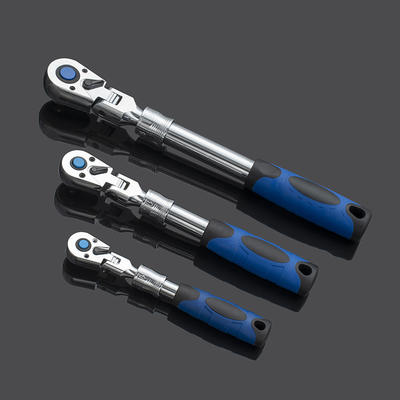
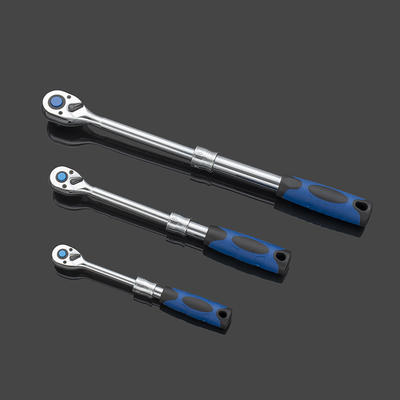
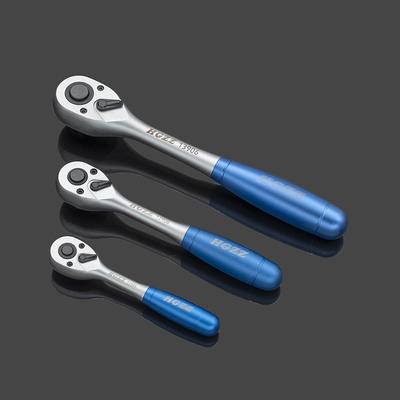

Committed to the production of torque wrenches, ratchet wrenches, sleeve tool sets and other auto and hand tools products.
 Add: Yiqiao Town, Xiaoshan District, Hangzhou City, Zhejiang Province, China. 311256
 Tel: +86-18072832111
 E-mail: [email protected]
Copyright ©2023 Hangzhou Hao Gong Tools Co., Ltd. All Rights Reserved
Mini Ratchet & Digital Torque Wrench Set Suppliers
