


 English
 中文简体
中文简体 русский
 Español
 Deutsch
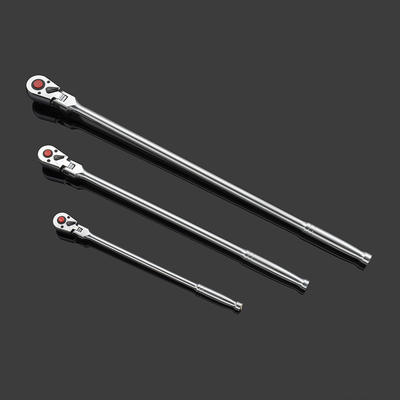
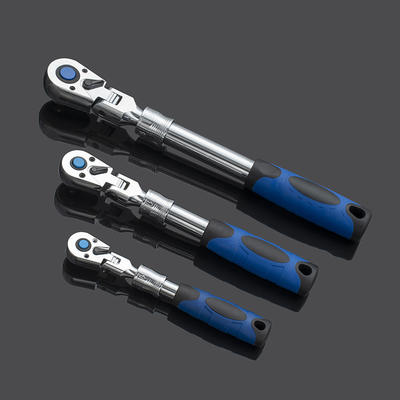
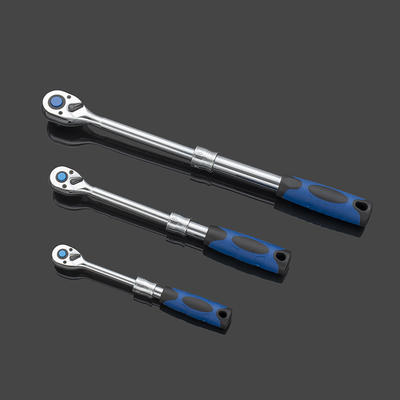
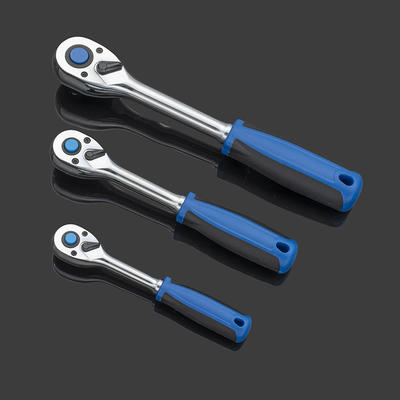
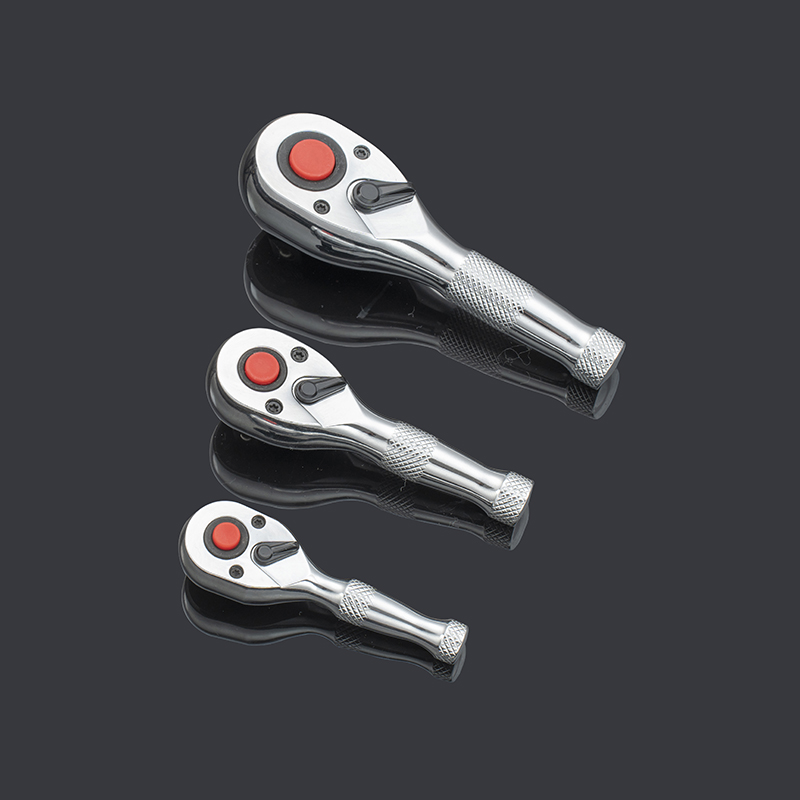
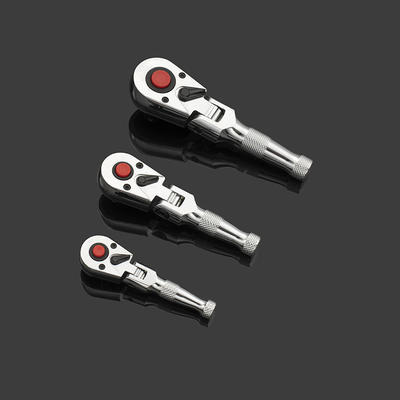
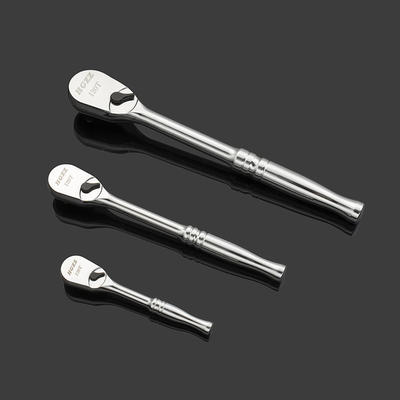
Flexible head extra long ratchet handle
Gear head material 42CrMo is a kind of steel type, belongs to ultra-high strength steel, high streng...
The core difference is straightforward: a ratcheting wrench drives fasteners quickly using a one-directional mechanism, while a torque wrench measures and limits the amount of rotational force applied. If speed and access matter, reach for a ratcheting wrench. If precision and safety matter — like on engine bolts or wheel lugs — a torque wrench is essential. Many professionals keep both on hand, and compact formats like the Mini Ratchet Wrench Torque tool bridge both needs in tight spaces.
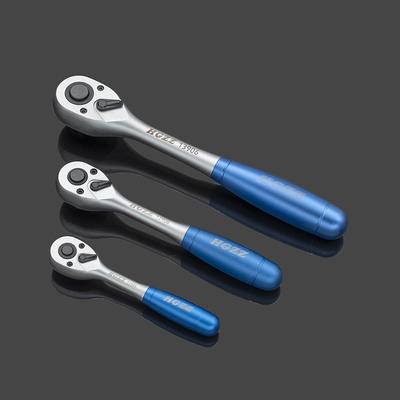
A ratcheting wrench uses an internal pawl-and-gear mechanism that allows the handle to turn in one direction while the socket or box end engages the fastener — and to swing back freely without losing grip. This means you never need to lift and reposition the wrench between turns, which dramatically speeds up work.
Ratcheting wrenches are ideal for assembly work, automotive repair, plumbing, and general maintenance where speed matters more than exact torque values.
A torque wrench is a precision tool designed to apply a specific, measurable amount of rotational force to a fastener. Once the preset torque value is reached, the wrench signals the user — through a click, beam deflection, or digital readout — to stop tightening.
Torque wrenches are critical wherever over- or under-tightening causes failure: cylinder head bolts, wheel lug nuts (typically 80–120 ft-lb), bicycle components, and aerospace fasteners.
| Feature | Ratcheting Wrench | Torque Wrench |
|---|---|---|
| Primary Purpose | Fast fastener driving | Precise force application |
| Torque Measurement | No | Yes |
| Speed | High | Slow (deliberate) |
| Tight-space access | Excellent (especially mini) | Limited |
| Skill required | Low | Moderate |
| Requires calibration | No | Yes |
| Typical price range | $10–$80 | $25–$300+ |
| Best use case | Assembly, general repair | Engine, wheels, safety-critical joints |
Compact or "mini" ratchet wrench torque tools combine the efficiency of ratcheting action with a small profile that fits in spaces standard tools can't reach. Some mini torque wrenches offer ranges as low as 2–25 Nm, making them particularly useful for electronics, bicycle stems, derailleur bolts, and small engine components.
These tools are especially valued by cyclists and motorcycle technicians, where carbon fiber parts require precise low-torque specs (often 4–6 Nm) that standard wrenches easily exceed. A mini ratchet format also reduces hand fatigue during repetitive tasks in confined engine bays.
Only for non-critical fasteners. Where a manufacturer specifies a torque value — engine bolts, wheel lugs, suspension joints — a torque wrench is required. A ratcheting wrench has no way to measure or limit force.
Low-torque, tight-access applications: bicycle components, small engine bolts, electronics enclosures, and motorcycle bodywork. Their compact size and precise low-range settings (often 2–25 Nm) make them ideal where standard tools are too large or imprecise.
Industry standard is every 12 months or every 5,000 uses, whichever comes first. If the wrench has been dropped, calibrate it immediately regardless of schedule.
Not exactly. A socket wrench (ratchet handle) requires separate sockets. A ratcheting wrench has a fixed open-end or box-end head with the ratchet built in — no separate socket needed, which makes it faster to grab and use.
No. Running fasteners in with a torque wrench before torquing them risks damaging the mechanism and skewing calibration. Use a standard ratchet or ratcheting wrench to run bolts in, then switch to the torque wrench for the final tightening pass.
1/4" drive is the most practical for small fasteners (under 10mm). It covers the widest range of low-torque applications and pairs with the largest selection of compact sockets and bits.
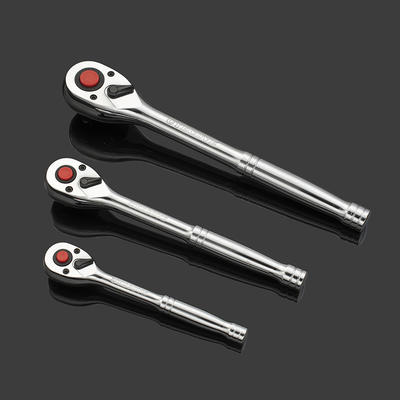
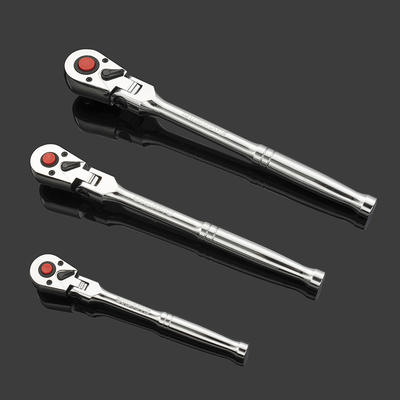
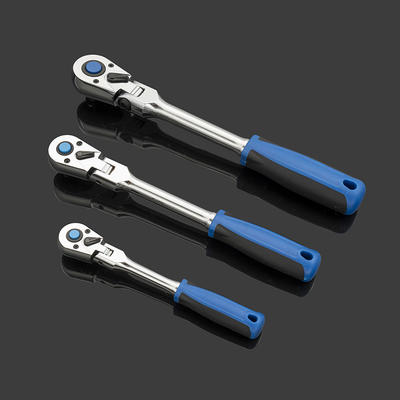
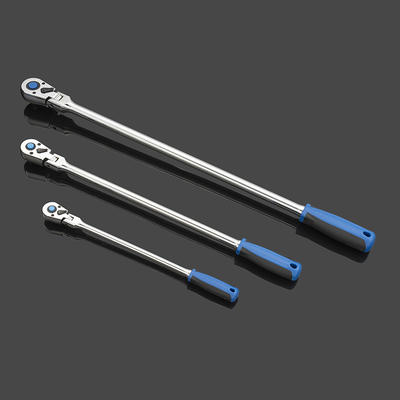

Committed to the production of torque wrenches, ratchet wrenches, sleeve tool sets and other auto and hand tools products.
 Add: Yiqiao Town, Xiaoshan District, Hangzhou City, Zhejiang Province, China. 311256
 Tel: +86-18072832111
 E-mail: [email protected]
Copyright ©2023 Hangzhou Hao Gong Tools Co., Ltd. All Rights Reserved
Mini Ratchet & Digital Torque Wrench Set Suppliers
