


 English
 中文简体
中文简体 русский
 Español
 Deutsch
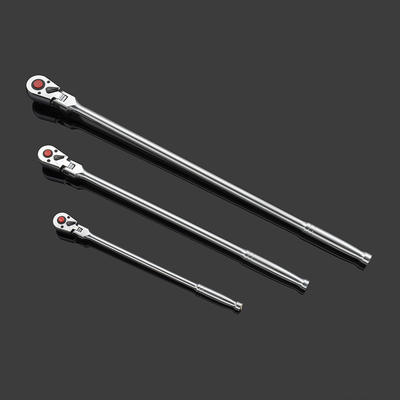
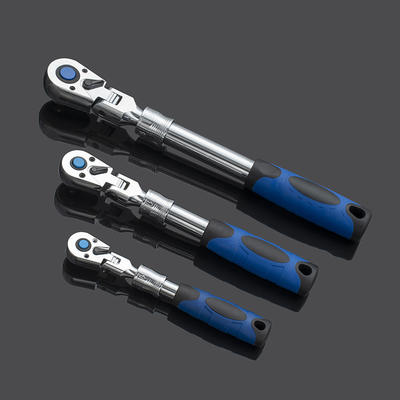
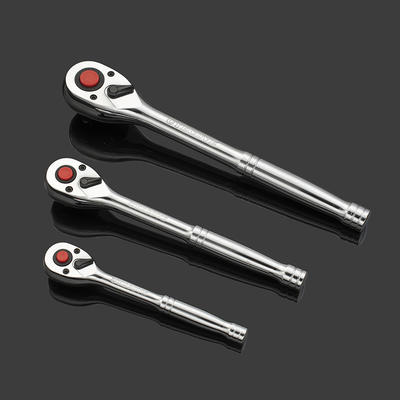
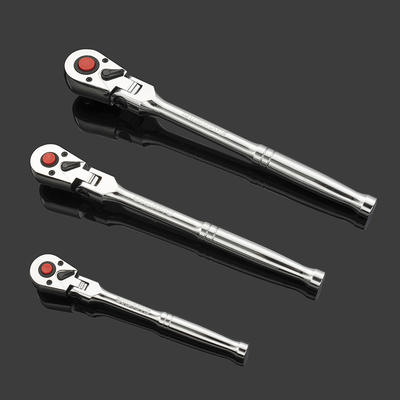
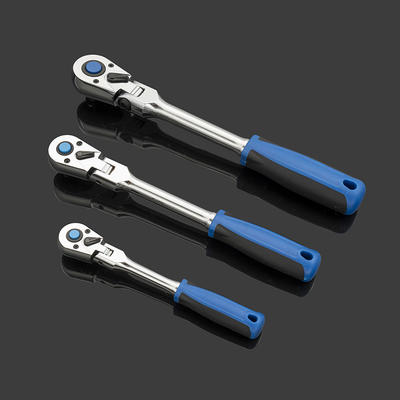
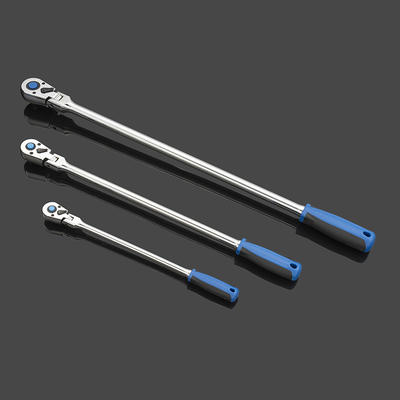
Flexible head extra long ratchet handle
Gear head material 42CrMo is a kind of steel type, belongs to ultra-high strength steel, high streng...
The most transformative advantage of an aluminum handle ratchet wrench compared to a full steel model is its exceptional lightweight design. Aluminum alloy used in high-quality ratchet handles has a density that is approximately one-third of carbon steel, creating a tangible difference in daily tool operation and long-term user comfort.
For professional technicians, mechanics, and maintenance workers who use hand tools for 8+ hours per day, weight reduction directly translates to improved productivity and reduced physical strain. A standard full steel ratchet wrench typically weighs between 450 to 600 grams, while an aluminum handle version of the same size and torque capacity weighs only 180 to 250 grams. This 60% weight reduction is not just a minor improvement—it is a game-changing feature for professionals working in automotive repair, industrial maintenance, construction, and assembly lines.
Field studies conducted in professional repair environments show that technicians using lightweight aluminum handle tools complete routine tasks up to 15% faster with fewer breaks than those using full steel tools. This efficiency gain comes from reduced muscle fatigue and the ability to maneuver the tool more quickly and comfortably in various working positions.
For overhead work—one of the most physically demanding positions for tool use—the lightweight advantage becomes even more critical. Holding a heavy steel ratchet wrench above shoulder height quickly leads to arm fatigue and shaky hands, compromising both safety and work quality. An aluminum handle ratchet wrench eliminates this barrier, making overhead repairs, installation, and maintenance work significantly more manageable and safer for users.
Portability is another key benefit of the lightweight design. Technicians who carry tool bags for extended periods benefit greatly from reduced overall weight. A complete set of aluminum handle ratchet wrenches can reduce the total tool bag weight by 3 to 5 kilograms compared to a full steel set, making transportation between job sites much easier and reducing strain on the back and shoulders.
Aluminum handle ratchet wrenches offer natural corrosion resistance that far surpasses standard full steel tools, especially in challenging working environments. Unlike steel, which readily oxidizes and rusts when exposed to moisture, aluminum forms a protective oxide layer instantly upon exposure to air, creating a permanent barrier against corrosion, rust, and chemical damage.
This natural protective property makes aluminum handle ratchet wrenches ideal for use in high-humidity environments, outdoor workspaces, marine applications, and facilities with exposure to water, cleaning chemicals, or mild industrial substances. Full steel ratchets require regular coating, painting, or oiling to prevent rust, and even with proper maintenance, they will eventually corrode when used in harsh conditions over time.
| Environment Type | Aluminum Handle Ratchet Wrench | Full Steel Ratchet Wrench |
| High Humidity Workshops | Excellent resistance, no rust formation | Prone to surface rust, requires frequent maintenance |
| Outdoor Job Sites | Withstands rain, dew, and temperature changes | Rusts quickly when exposed to moisture |
| Marine/Coastal Areas | Resists saltwater corrosion effectively | Severe corrosion, short service life |
| Chemical Exposure | Resists mild chemicals and cleaning agents | Surface degradation and rusting |
| Long-Term Storage | No special preservation required | Needs oiling and dry storage to prevent rust |
The corrosion resistance of aluminum handles directly contributes to a longer service life and better appearance retention. Aluminum handle ratchet wrenches maintain their smooth finish and structural integrity for years, even with minimal maintenance. Full steel wrenches often develop rough rust patches, pitting, and surface degradation that can compromise grip, function, and overall tool life.
Maintenance requirements for aluminum handle models are minimal compared to steel alternatives. Users don't need to apply protective oil, store tools in sealed dry boxes, or regularly clean off rust deposits. This low-maintenance characteristic saves time, reduces ongoing costs, and ensures the tool is always ready for immediate use without preparation.
Structural durability remains exceptional despite the lightweight design. High-grade aluminum alloys used in professional aluminum handle ratchet wrench models offer excellent tensile strength and impact resistance. The handles can withstand daily drops, impacts, and heavy use without bending, cracking, or permanent deformation—matching the structural reliability of steel handles at a fraction of the weight.
Aluminum handle ratchet wrenches deliver superior ergonomic grip and operational control compared to full steel tools, creating a more comfortable and secure user experience during all types of repair and assembly work. The material properties of aluminum allow for precision machining of textured surfaces, contoured profiles, and comfortable grip zones that enhance handling and reduce slippage.
Aluminum's thermal properties add to the comfort factor. Unlike steel, which becomes extremely cold in low temperatures and uncomfortably hot in high temperatures, aluminum maintains a neutral temperature that is comfortable to hold in all working conditions. This thermal stability eliminates the discomfort of holding freezing cold or burning hot tool handles, allowing users to maintain a consistent, secure grip regardless of environmental conditions.
The surface finish of aluminum handles provides an excellent balance of smoothness and texture. The material can be precision-machined with knurled patterns, ribbed surfaces, or matte finishes that enhance grip without being abrasive to hands. Even with oily hands—a common situation in mechanical work—aluminum handles maintain superior grip compared to smooth steel surfaces.
Handle balance is another critical advantage. Aluminum's lighter weight allows manufacturers to optimize the balance point of the ratchet wrench, placing it closer to the user's hand. This balanced design reduces wrist strain and makes the tool feel more natural and controllable during operation. Full steel ratchets often feel handle-heavy or head-heavy, requiring more effort to control and maneuver effectively.
For users working with gloves, aluminum handles maintain consistent performance across all glove types. The grip texture remains effective whether users are wearing latex, leather, or synthetic work gloves. Steel handles, especially when polished or rusted, can become slippery and difficult to control when used with gloves, compromising safety and work efficiency.
Despite their lightweight construction, aluminum handle ratchet wrenches provide exceptional structural strength and reliable performance that meets or exceeds the requirements of professional applications. Modern high-strength aluminum alloys used in tool manufacturing deliver impressive torque capacity, impact resistance, and durability that rival steel handles without the excessive weight.
The internal mechanical components of quality aluminum handle ratchets use hardened steel for the ratchet mechanism, gears, and socket drive components—ensuring maximum torque transfer and durability exactly where it matters most. This strategic material combination creates an optimal tool: lightweight aluminum for the handle and high-strength steel for the functional working components.
| Performance Feature | Aluminum Handle Ratchet Wrench | Full Steel Ratchet Wrench |
| Maximum Torque Capacity | Matches steel handles, professional-grade performance | High torque capacity, standard performance |
| Impact Resistance | Excellent, withstands daily professional use | High, but with increased weight penalty |
| Handle Bending Resistance | Reinforced design prevents bending under normal use | High resistance, but heavier to achieve same strength |
| Operational Smoothness | Consistent smooth ratchet operation | Smooth operation, similar mechanism quality |
| Long-Term Structural Integrity | Maintains shape and strength indefinitely | Maintains shape but prone to corrosion damage |
Professional-grade aluminum handle ratchet wrench models undergo rigorous strength testing to ensure they meet industry standards for torque, impact, and durability. These tools can handle the same heavy-duty applications as steel ratchets, including automotive repair, equipment maintenance, construction, and industrial assembly tasks.
The reinforced design of aluminum handles includes internal webbing, reinforced stress points, and engineered structural supports that prevent bending or breaking during normal use. The material's natural resilience allows it to absorb minor impacts without permanent deformation, while the hardened steel working components ensure long-term functional reliability.
One of the most valuable aspects of aluminum handle ratchets is the consistency of performance over time. The handles maintain their shape, finish, and structural integrity year after year, while the ratchet mechanism continues to operate smoothly. Full steel handles, while strong initially, can develop rust, pitting, and surface degradation that affects both appearance and function over time.
For precision applications, aluminum handles offer dimensional stability that ensures consistent tool performance. The material doesn't warp, bend, or twist with temperature changes or heavy use, maintaining the precise alignment of the ratchet mechanism for smooth, reliable operation throughout the tool's service life.
Aluminum handle ratchet wrenches demonstrate superior temperature resistance and all-weather performance compared to full steel tools, making them versatile for use in any environmental condition. The thermal properties of aluminum provide a comfortable and safe user experience regardless of whether working in freezing cold conditions or extreme heat.
Steel is an excellent thermal conductor, meaning it quickly adopts the temperature of its environment. In cold conditions, steel handles become freezing cold within minutes, making them painful to hold and increasing the risk of hand discomfort or injury. In hot conditions or direct sunlight, steel handles can become too hot to handle safely. Aluminum maintains a much more stable temperature, providing a comfortable grip in all weather conditions.
This temperature stability is particularly valuable for professionals who work outdoors or in uncontrolled environments. Construction workers, field technicians, maintenance crews, and emergency repair teams can rely on aluminum handle ratchet wrenches to remain comfortable and functional regardless of weather conditions.
In high-temperature workshops or industrial settings, aluminum handles don't absorb or retain heat from surrounding equipment. This prevents the tool from becoming too hot to handle during prolonged use near engines, machinery, or in warm working environments. Steel handles, by contrast, can become uncomfortably warm in these conditions.
The material's thermal stability also contributes to consistent mechanical performance. Aluminum's dimensional stability across temperature changes ensures the ratchet mechanism maintains precise alignment and smooth operation, even when moving between temperature extremes. This reliability ensures consistent tool performance regardless of environmental conditions.
Aluminum handle ratchet wrenches offer significantly reduced maintenance requirements and superior long-term value compared to full steel models. The combination of corrosion resistance, durable finish, and material stability creates a tool that retains functionality and appearance with minimal care throughout its service life.
Full steel ratchet wrenches demand regular maintenance to prevent rust and corrosion. Users must clean tools thoroughly after use, apply protective oil, and store them in dry conditions to maintain performance and appearance. Despite this maintenance, steel tools will inevitably develop surface rust and degradation over time, especially in less-than-ideal storage conditions.
The long-term value proposition of aluminum handle ratchets is compelling. While the initial investment may be slightly higher, the extended service life, reduced maintenance, and improved user experience create a superior overall value. Professionals who use these tools daily report a service life of 5-7 years with consistent performance, compared to 3-5 years for comparable steel tools that require more maintenance and eventually corrode.
Resale value and appearance retention further enhance long-term value. Aluminum handle tools maintain their like-new appearance for years, making them more valuable if ever resold or transferred. Steel tools quickly develop rust and wear marks that significantly reduce their aesthetic appeal and residual value.
Tool inventory management also becomes easier with aluminum handle ratchets. These tools can be stored in standard toolboxes without special rust-prevention measures, and they maintain consistent performance across the entire set. Facilities with large tool inventories benefit from reduced replacement rates and lower maintenance labor costs when using aluminum handle tools.
The aluminum handle ratchet wrench demonstrates exceptional versatility across all professional applications where hand tools are required. The combination of lightweight design, corrosion resistance, comfortable grip, and reliable performance makes these tools suitable for every industry that relies on ratchet wrench technology.
From automotive repair shops to industrial manufacturing facilities, from construction sites to marine maintenance operations, aluminum handle ratchets adapt perfectly to the demands of each working environment. The material advantages translate directly to functional benefits regardless of the specific application requirements.
For multi-trade professionals who need a single reliable tool for various tasks, the aluminum handle ratchet wrench is the ideal choice. It performs equally well for heavy-duty mechanical work and delicate precision tasks, adapting to the specific requirements of each job without compromise.
The lightweight design particularly benefits applications that involve frequent tool movement or working in various positions. Technicians moving between different workstations, vehicles, or equipment systems appreciate the reduced weight during transportation and use. The corrosion resistance ensures reliable performance even when moving between indoor, outdoor, and potentially wet environments throughout the workday.
Tool compatibility remains consistent with industry standards, allowing aluminum handle ratchet wrenches to work with all standard socket sets and accessories. This universal compatibility ensures seamless integration into existing tool collections without requiring specialized equipment or adapters.
Yes, professional-grade aluminum handle ratchet wrenches use high-strength aluminum alloy handles and hardened steel internal components, providing equal strength and torque capacity to full steel models without the weight penalty.
No, engineered aluminum alloy handles with reinforced design withstand normal professional use without bending or breaking, meeting all industry standards for strength and durability.
Aluminum handle ratchets are approximately 60% lighter than equivalent full steel models, typically weighing 180-250g compared to 450-600g for the same size steel wrench.
No, aluminum naturally forms a protective oxide layer that resists corrosion and rust without needing oiling, painting, or special storage conditions required for steel tools.
Yes, aluminum maintains a stable, comfortable temperature in both hot and cold conditions, unlike steel which becomes freezing cold or excessively hot in extreme environments.
Absolutely, these tools are designed for professional applications including automotive repair, offering the perfect balance of lightweight comfort and professional-grade performance.
With normal professional use, aluminum handle ratchet wrenches provide 5-7 years of reliable service, often outlasting steel tools while maintaining better appearance and performance.
Yes, they feature standard drive sizes and are fully compatible with all industry-standard socket sets and accessories, making them easy to integrate into existing tool collections.
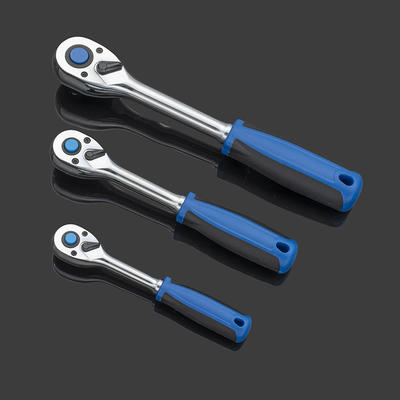
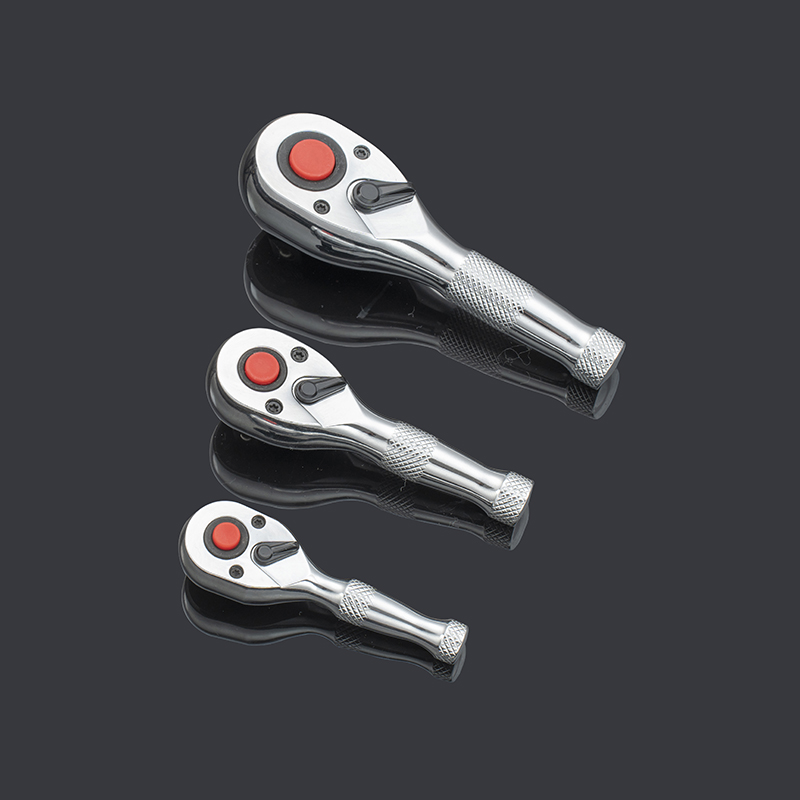
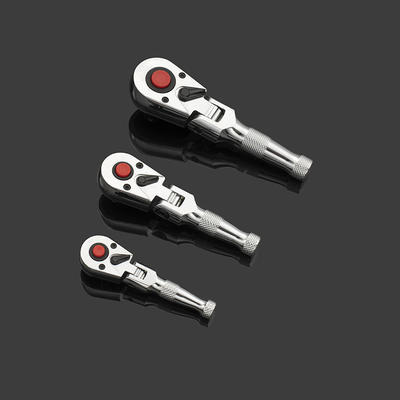
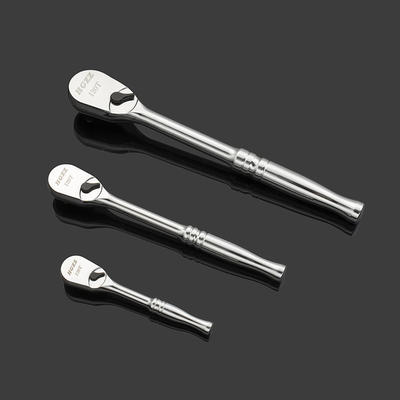

Committed to the production of torque wrenches, ratchet wrenches, sleeve tool sets and other auto and hand tools products.
 Add: Yiqiao Town, Xiaoshan District, Hangzhou City, Zhejiang Province, China. 311256
 Tel: +86-18072832111
 E-mail: [email protected]
Copyright ©2023 Hangzhou Hao Gong Tools Co., Ltd. All Rights Reserved
Mini Ratchet & Digital Torque Wrench Set Suppliers
