


 English
 中文简体
中文简体 русский
 Español
 Deutsch
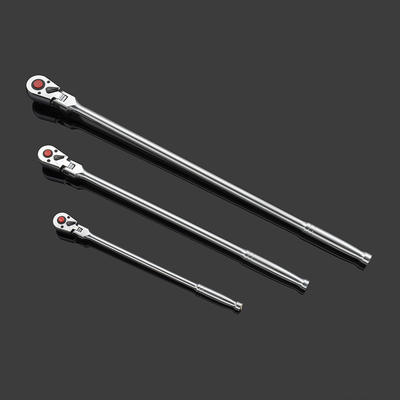
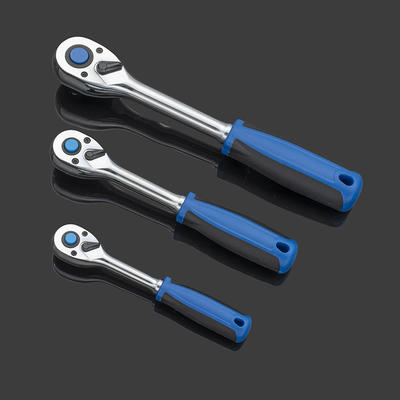
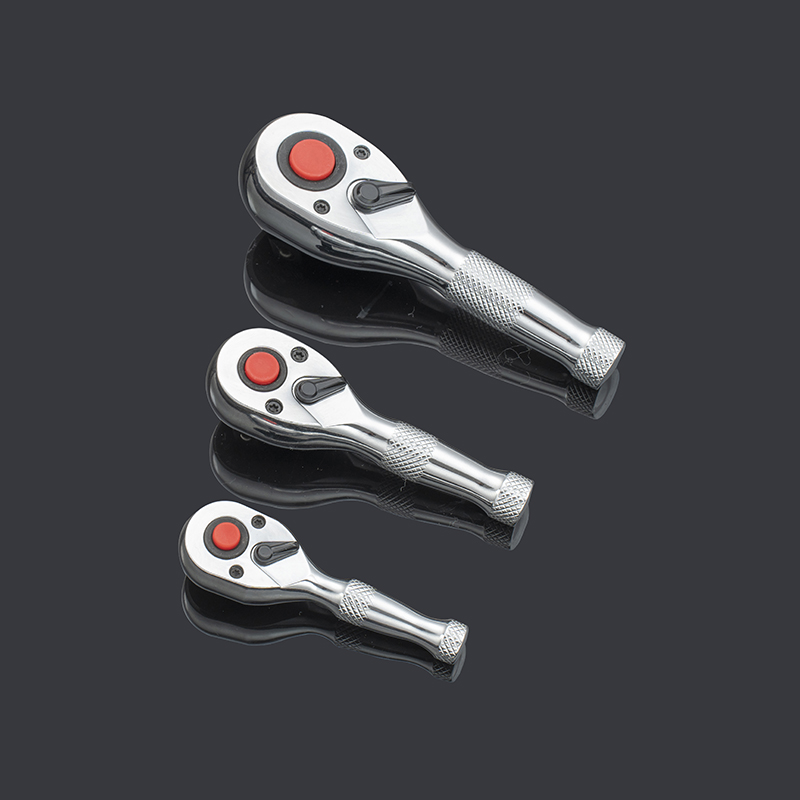
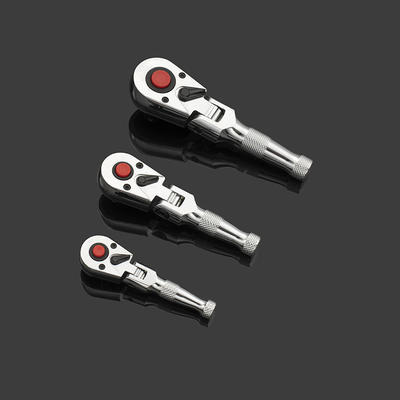
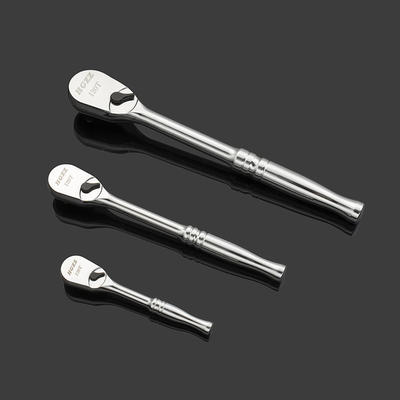
Flexible head extra long ratchet handle
Gear head material 42CrMo is a kind of steel type, belongs to ultra-high strength steel, high streng...
Choosing the right torque wrench comes down to three core factors: the torque range you need, the drive size that fits your fasteners, and the type of wrench that suits your workflow. Get these right, and you will achieve accurate, consistent results every time.
There are four main types of torque wrenches, each designed for different use cases. Picking the wrong type is one of the most common and costly mistakes buyers make.
The most widely used type in automotive and general mechanical work. It produces an audible click when the preset torque value is reached. Accuracy is typically ±4% of the set value, making it reliable for lug nuts, engine bolts, and suspension components. Best for users who need speed and simplicity.
Uses a flexible beam that deflects as force is applied, with a pointer indicating torque on a fixed scale. No internal mechanism means fewer moving parts and no calibration drift over time. Ideal for low-frequency use or situations where visual confirmation is preferred.
Features a dial gauge for real-time torque readout. Accuracy can reach ±2 to 3%, making it suitable for laboratory, aerospace, or precision manufacturing environments where monitoring throughout the tightening process matters.
Displays torque digitally and often includes peak-hold functions, audible alerts, and data logging. Accuracy is typically ±2% or better. Best for high-volume production environments where traceability and documentation are required.
| Type | Typical Accuracy | Best For | Price Range |
|---|---|---|---|
| Click | ±4% | Automotive, general repair | $20–$150 |
| Beam | ±3–5% | Low-frequency, budget use | $10–$60 |
| Dial | ±2–3% | Precision, lab, aerospace | $80–$400 |
| Digital | ±2% | Production, data logging | $100–$600+ |
A critical rule: your target torque values should always fall within the middle 20–80% of the wrench's full scale. Using a wrench below 20% of its rated capacity significantly reduces measurement accuracy and repeatability.
Common torque ranges by application:
Example: If you are tightening wheel lug nuts at 110 Nm, a 40–200 Nm range wrench keeps your target comfortably in the middle of the scale for optimal accuracy.
Drive size determines which sockets the wrench can accept. The wrong size means poor fit, stripped adapters, or insufficient leverage.
For most home mechanics and technicians, a 1/2" drive wrench covering 20–250 Nm handles the vast majority of jobs. If you regularly switch between small and large fasteners, having both a 3/8" and a 1/2" drive wrench is the most practical setup.
A mechanical torque wrench refers to non-electronic designs — primarily click-type and beam-type models. These remain the workhorses of professional trades for several practical reasons:
For daily professional use across brake work, suspension, and engine tasks, a mechanical click-type wrench delivers the best balance of speed, accuracy, and value. Most ISO and ASME standards accept ±4% accuracy, which properly calibrated mechanical wrenches meet with ease.
Look for a wrench rated at ±4% or better in the clockwise direction — the industry standard for professional-grade tools. Budget options rated to only ±8% are not suitable for safety-critical fasteners like cylinder head bolts or wheel studs.
Industry best practice is recalibration every 5,000 cycles or once per year, whichever comes first. Check if the manufacturer provides a calibration certificate — essential for ISO 9001 or regulated environments.
Longer handles require less physical effort at higher torque values but can be awkward in tight spaces. Ensure the grip is non-slip, especially in workshop environments where oil exposure is common.
Scale increments matter. A wrench with 2 Nm increments provides far more control than one with 10 Nm jumps. Dual-scale models showing both Nm and ft-lb add versatility at no significant extra cost.
Chrome vanadium steel is the professional standard. Avoid chrome-plated mild steel, which deforms under repeated high-torque use. Forged steel construction significantly extends service life in demanding conditions.
A 1/2" drive click-type wrench with a 40–200 Nm range handles most passenger vehicles. Lug nut specs typically fall between 80–140 Nm, keeping your target well within the accurate middle of the scale.
Every 5,000 uses or once a year, whichever comes first. Always recalibrate after dropping the tool, regardless of when it was last serviced.
No. Torque wrenches are designed only for tightening to a specified value. Using them to loosen fasteners damages the internal mechanism and compromises calibration.
1 ft-lb equals approximately 1.356 Nm. Many wrenches display both units. Always refer to your service manual to confirm which unit is specified for your application.
Marginally — digital models typically achieve ±2% versus ±4% for quality mechanical wrenches. For most automotive and construction work, ±4% is fully adequate. Digital tools add value mainly when data logging or real-time monitoring is needed.
Not always — drive adapters let you change socket sizes on one wrench. However, if your torque needs span very wide ranges (e.g., 5 Nm for bike parts and 600 Nm for truck lug nuts), two separate wrenches provide better accuracy and efficiency.
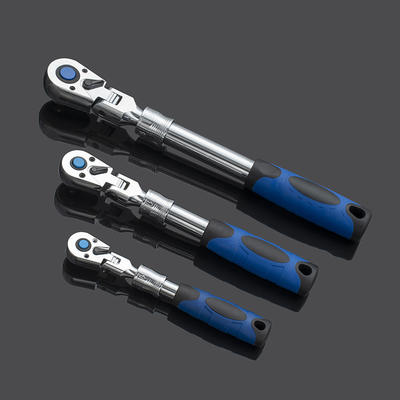
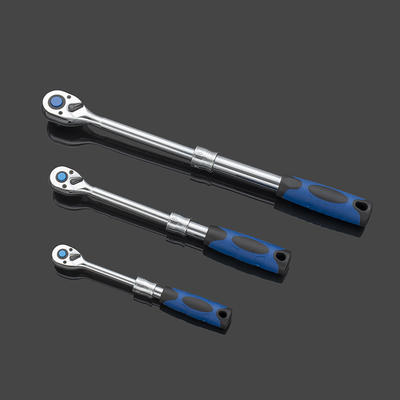
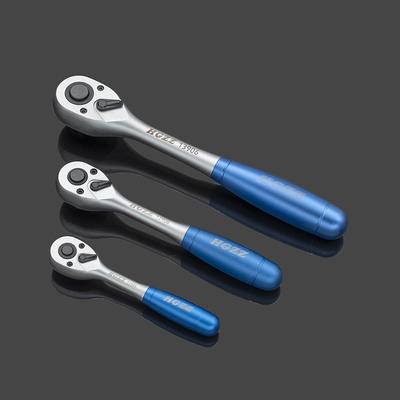
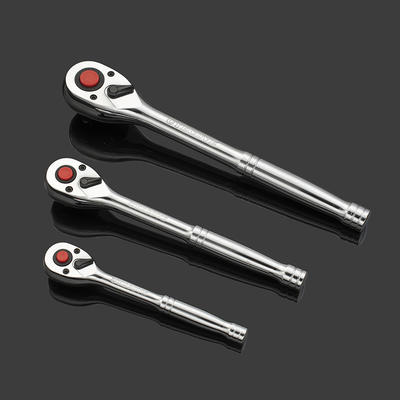
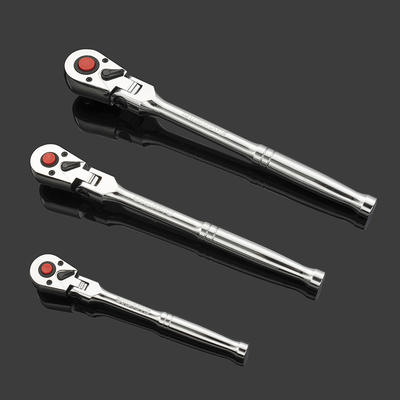
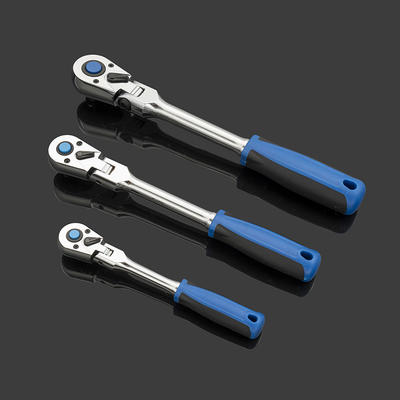
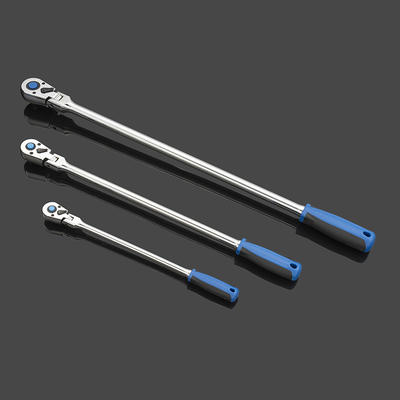

Committed to the production of torque wrenches, ratchet wrenches, sleeve tool sets and other auto and hand tools products.
 Add: Yiqiao Town, Xiaoshan District, Hangzhou City, Zhejiang Province, China. 311256
 Tel: +86-18072832111
 E-mail: [email protected]
Copyright ©2023 Hangzhou Hao Gong Tools Co., Ltd. All Rights Reserved
Mini Ratchet & Digital Torque Wrench Set Suppliers
