


 English
 中文简体
中文简体 русский
 Español
 Deutsch
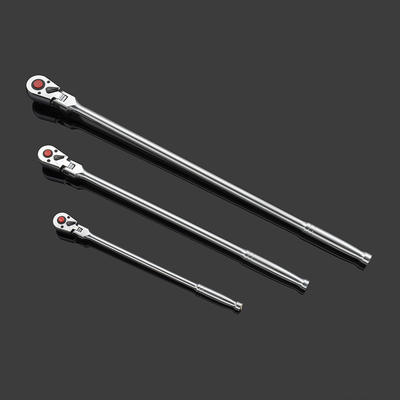
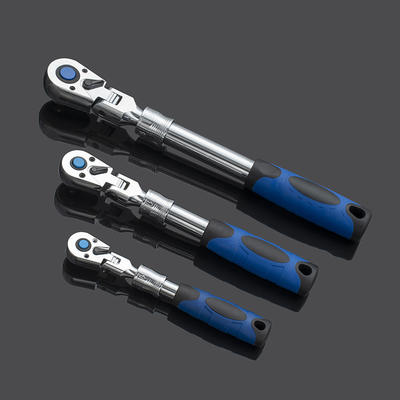
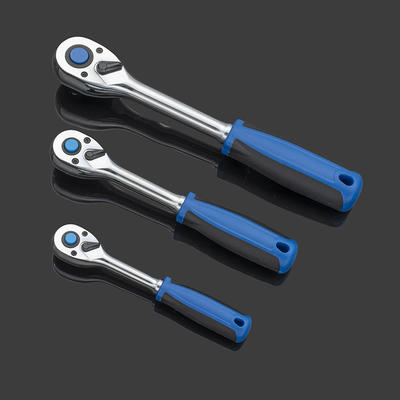
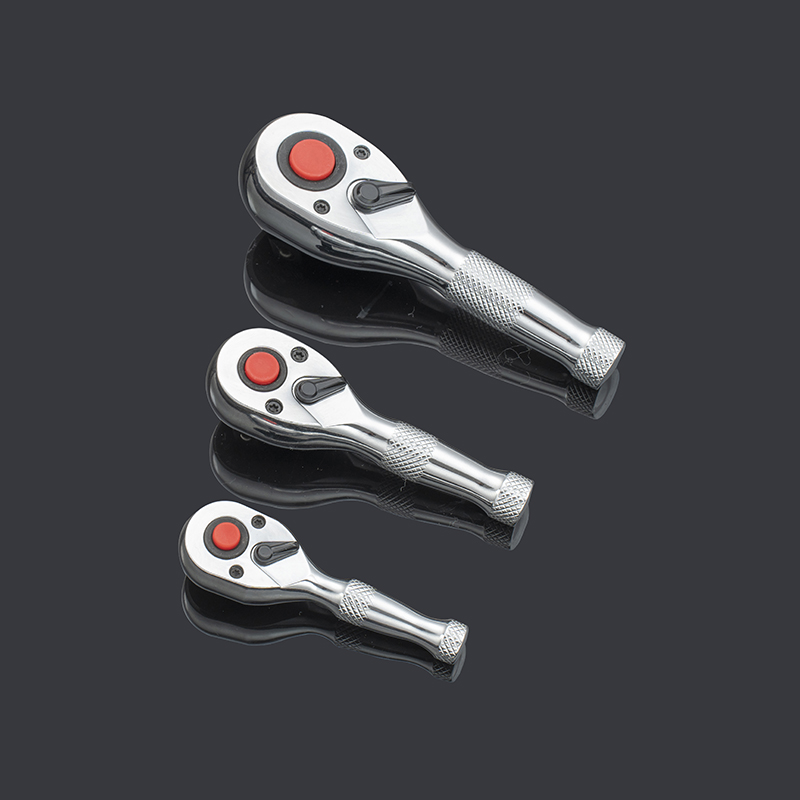
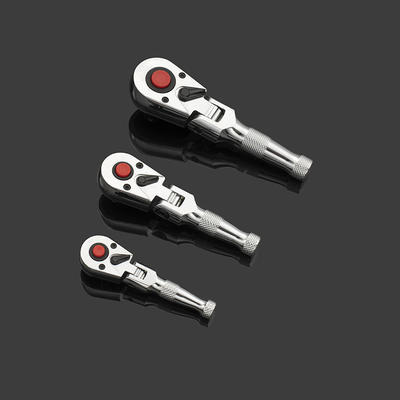
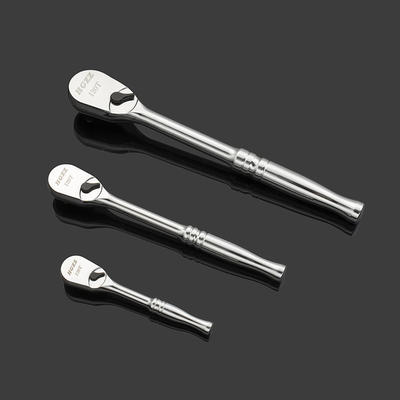
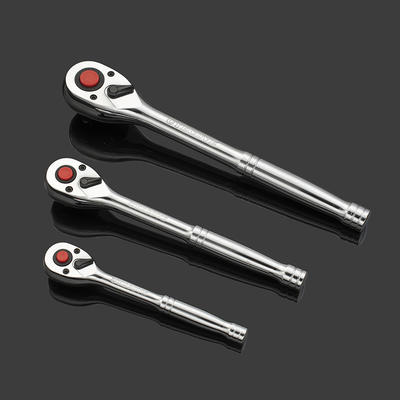
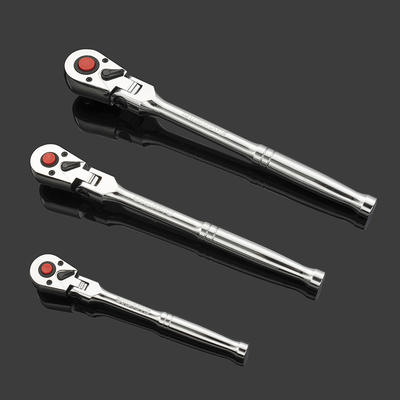
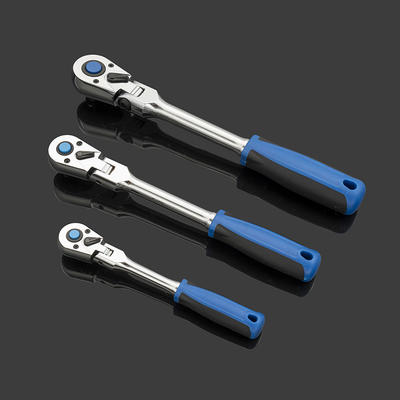
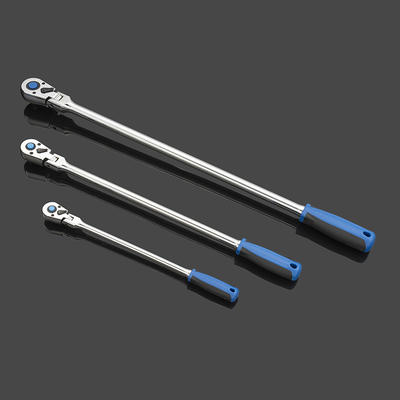
Flexible head extra long ratchet handle
Gear head material 42CrMo is a kind of steel type, belongs to ultra-high strength steel, high streng...
Extendable ratchet handles represent a significant innovation in manual tool technology, combining convenience with reliable fastening solutions. These versatile instruments are engineered to provide extended reach while maintaining structural integrity and operational safety. Understanding the torque limits of these tools is essential for professionals working in automotive repair, industrial maintenance, and equipment assembly. The ability to extend the handle length introduces unique considerations regarding torque capacity and load distribution that differentiate these tools from standard fixed-length ratchets.
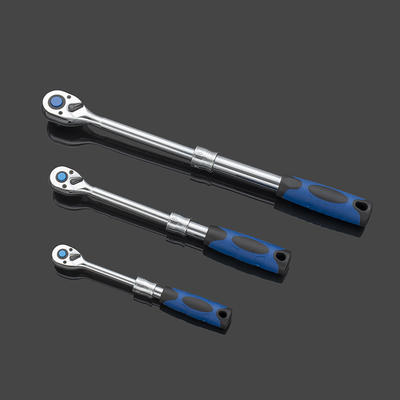
An extendable ratchet handle is a specialized tool featuring a telescoping shaft mechanism that allows the working length to increase or decrease based on application requirements. The internal design typically incorporates precision-engineered segments that lock securely at predetermined extension points. These handles are manufactured from high-strength materials such as chrome vanadium steel or advanced alloy compositions to ensure durability across extended and compressed configurations. The ratchet head, which engages with fasteners, works in conjunction with the expandable shaft to deliver torque force effectively. Professionals select extendable ratchets when space constraints require a shorter tool for storage or initial access, yet need greater leverage for stubborn fasteners.
The construction of an extendable ratchet handle involves several critical components working in harmony:
Torque represents the rotational force applied to a fastener, measured in foot-pounds (ft-lbs) or Newton-meters (N·m). For extendable ratchet handles, the maximum torque limit varies significantly based on socket drive size, material grade, and extension length. Standard specifications typically range from 50 to 250 foot-pounds for professional-grade tools, though some specialized applications support higher capacities. The torque limit is not arbitrary; it results from rigorous engineering calculations considering material stress limits, connection point integrity, and safety margins.
Manufacturers establish torque limits through a combination of theoretical analysis and practical testing:
Understanding torque capacities across different socket drive sizes helps professionals select appropriate tools for their applications:
| Socket Drive Size | Compact Configuration | Extended Configuration | Maximum Rating |
| 1/4 inch | 25-35 ft-lbs | 15-20 ft-lbs | 35 ft-lbs |
| 3/8 inch | 60-80 ft-lbs | 40-50 ft-lbs | 80 ft-lbs |
| 1/2 inch | 120-150 ft-lbs | 80-100 ft-lbs | 150 ft-lbs |
| 3/4 inch | 200-250 ft-lbs | 150-180 ft-lbs | 250 ft-lbs |
These specifications demonstrate that torque capacity diminishes as the tool extends, a critical consideration for professional technicians planning fastening operations.
The maximum torque limit of an extendable ratchet handle is not fixed; rather, it fluctuates based on multiple environmental and operational variables. Understanding these factors enables professionals to operate tools safely and achieve optimal fastening results.
Extension length represents perhaps the most significant variable affecting torque capacity. When a ratchet handle extends, the mechanical advantage increases, which initially seems beneficial. However, the increased lever arm creates greater stress on the locking mechanisms and shaft material. This phenomenon necessitates reducing the applied torque to prevent tool failure. For every inch of extension beyond the compact position, manufacturers typically reduce the recommended maximum torque by 10-20 percent. A tool rated for 100 foot-pounds in its compact configuration might safely handle only 70-80 foot-pounds when fully extended, depending on design specifications.
The steel composition directly influences torque capacity and reliability. High-grade alloys with superior tensile strength ratings support higher torque applications without deformation or failure. Professional-grade extendable ratchets typically utilize chrome vanadium steel or alloy compositions specifically engineered for industrial applications. Lesser-quality materials may produce tools with significantly lower torque ratings, potentially compromising safety and longevity. Material certifications and specifications provided by manufacturers offer important guidance for tool selection.
The reliability of locking mechanisms directly affects maximum safe torque application. Precision-engineered locking systems with multiple contact points distribute stress more effectively than simpler designs. Over time, wear and tear can compromise locking mechanism function, necessitating inspection and maintenance. Any deterioration in locking precision reduces the safe torque limit until repairs or replacements are completed.
Smaller socket drives inherently support lower torque capacities due to reduced contact surface area and limited material thickness in the ratchet head. Conversely, larger drive sizes accommodate higher torque applications. A 1/4-inch drive tool operates under fundamentally different stress conditions than a 3/4-inch drive tool, resulting in substantially different torque ratings across the tool's extension range.
The fasteners being tightened significantly influence safe torque application. Stripped fasteners, corroded threads, or damaged socket engagement points require careful torque management to prevent further damage. Environmental factors such as rust formation on fasteners may necessitate reduced torque during initial loosening before increasing force for final tightening.
Operating extendable ratchet handles within safe torque limits protects both the operator and the tools being used. Adherence to established guidelines minimizes accident risk and extends tool lifespan significantly.
Selecting the appropriate tool for specific fastening tasks forms the foundation of safe operations:
Proper extension management ensures safe and effective tool operation:
Regular tool inspection prevents failures and ensures torque limits remain valid:
Proper operating technique significantly influences tool safety and performance. Apply force gradually rather than with sudden impact, which creates stress spikes exceeding rated limits. Maintain proper hand positioning to ensure balanced force application and prevent accidental tool slipping. When working with particularly stubborn fasteners, use appropriate penetrating oils to reduce required torque rather than exceeding tool ratings. Never use extensions, pipes, or other implements to increase leverage beyond the tool's design capacity, as this practice substantially increases failure risk.
Reputable manufacturers design extendable ratchet handles according to established industry standards that ensure consistent quality and safety across products. Understanding these standards helps professionals identify reliable tools meeting professional requirements.
Key standards governing ratchet tool design and safety include:
Industry standards establish minimum safety margins and testing requirements that protect users from tool failure. Certified tools undergo rigorous testing to verify that published torque limits remain valid under normal operating conditions. Standards also mandate safety factor inclusion, ensuring tools can handle occasional overload without catastrophic failure. When purchasing professional tools, selecting products certified against recognized standards provides assurance of quality and safety performance.
Understanding how torque limits apply in practical working scenarios helps professionals make informed decisions and prevent safety issues in field conditions.
In automotive applications, extendable ratchet handles provide valuable advantages for accessing fasteners in confined engine compartments and undercarriage areas. The ability to reduce tool length for initial positioning, then extend for additional leverage on stubborn bolts, makes these tools particularly valuable for transmission pan bolts, oil filter housings, and suspension components. Technicians must carefully match tool capacity to fastener specifications, as automotive fasteners have specific torque requirements that must be met but not exceeded. Exceeding specifications risks thread stripping and component damage, while under-tightening creates safety hazards from loose fasteners.
Manufacturing and assembly operations frequently employ extendable ratchet handles for fastening operations on large equipment. In these applications, consistency and safety take paramount importance. Assembly protocols typically specify exact fastener torque values, with checks performed on random fasteners to ensure torque application remains within specifications. Extended reach capabilities allow assemblers to work on recessed fasteners without awkward body positioning that might introduce error into torque application. Proper training ensures all operators understand tool capacity limitations and apply torque appropriately.
Facility maintenance personnel frequently encounter fasteners in confined spaces where conventional tools prove inadequate. Extendable ratchet handles enable access to fasteners in equipment cabinets, beneath machinery, and within tight mechanical assemblies. The flexibility to adjust tool length for initial engagement, then extend for leverage, provides practical solutions that fixed-length tools cannot match. Maintenance staff must understand tool limitations in these confined settings, where extended configurations might not be possible due to spatial constraints, necessitating careful torque management.
Understanding common problems and their solutions helps users maintain tools effectively and identify situations requiring professional attention.
If an extendable ratchet handle suddenly seems to handle fasteners less effectively than previously, several issues might be responsible. Locking mechanism wear represents the most common cause, with extended use gradually reducing mechanical precision. Clean the telescoping surfaces thoroughly and apply appropriate lubricants as a first troubleshooting step. If performance doesn't improve, the tool likely requires professional service or replacement to restore safe operation. Never attempt to force a tool beyond its designed capacity, as this accelerates component failure and creates safety hazards.
Tools that fail to lock securely at extended positions pose serious safety risks and must be removed from service immediately. Dirt and debris accumulation represents the most common cause, resolved through thorough cleaning and appropriate lubrication. If cleaning doesn't restore locking function, internal wear or damage likely exists, requiring professional repair or tool replacement. Never use a tool with unreliable locking mechanisms, as accidental collapse during torque application creates injury risk and damages fasteners.
Visible deformation, cracks, or bending in the tool handle indicates structural damage compromising safety and performance. Tools showing these signs should be removed from service and not used until inspected and repaired by qualified technicians. In many cases, severely damaged tools should be replaced rather than repaired, as internal damage may not be visible. Operating damaged tools risks sudden failure during use, creating potential injury and property damage.
Using extensions to increase mechanical advantage beyond the tool's designed capacity is dangerous and violates safety principles. The tool's torque limit already includes engineering safety factors accounting for normal use. Extensions amplify stress on internal components beyond safe levels, risking sudden failure and injury. Always respect the tool's maximum torque rating regardless of leverage calculations.
Consult the manufacturer's documentation and specifications, which should detail maximum torque capacity for each extension configuration. Tool markings often display torque limits engraved on the handle. If documentation is unavailable, contact the manufacturer directly with your tool's model and serial number. Never guess at torque limits; accurate information is essential for safe operations.
Torque capacity theoretically remains constant throughout a tool's life if properly maintained and undamaged. However, wear and tear progressively reduce practical safe capacity as locking mechanisms deteriorate and internal stresses accumulate. Regular inspection helps identify degradation, allowing timely maintenance or replacement before safety is compromised. Tools showing significant wear should have torque limits reduced accordingly to maintain safety margins.
No. Torque ratings vary significantly based on socket drive size, material composition, design specifications, and manufacturer standards. A 1/4-inch drive tool cannot safely handle the same torque as a 3/4-inch drive tool. Always verify specific torque ratings for each tool before use rather than assuming capacity based on visual appearance or similar-looking tools.
Never exceed tool torque limits regardless of fastener stubbornness. Instead, apply penetrating oil and allow adequate soaking time to reduce fastener resistance. Tap the fastener gently to help break corrosion bonds. Select a larger-capacity tool if available. If none of these approaches work, consult with maintenance supervisors or engineers about alternative solutions. Forcing tools beyond rated capacity risks tool failure and injury.
Perform basic maintenance monthly for tools in regular use, including cleaning and light lubrication of telescoping surfaces. Visual inspections should occur before every use. More intensive maintenance depending on working environment and intensity—tools exposed to harsh conditions may require more frequent attention. Professional inspection every one to two years ensures internal components remain in optimal condition.
This perception aligns with engineering reality. As tools extend, stress on internal components increases significantly, requiring reduced torque application for safety. The increased mechanical advantage from extended reach might suggest greater power, but structural limitations necessitate conservative torque values at full extension. This engineering tradeoff ensures tool reliability across the extension range.
Basic cleaning and lubrication can sometimes restore function to tools with minor locking issues caused by dirt accumulation. For internal mechanical problems, professional repair by qualified technicians is recommended. Attempting complex repairs without proper training and tools risks incomplete fixes that compromise safety. When in doubt, have professionals assess the tool or consider replacement.
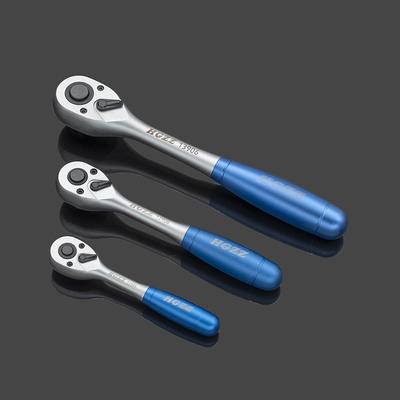

Committed to the production of torque wrenches, ratchet wrenches, sleeve tool sets and other auto and hand tools products.
 Add: Yiqiao Town, Xiaoshan District, Hangzhou City, Zhejiang Province, China. 311256
 Tel: +86-18072832111
 E-mail: [email protected]
Copyright ©2023 Hangzhou Hao Gong Tools Co., Ltd. All Rights Reserved
Mini Ratchet & Digital Torque Wrench Set Suppliers
